
Keeping kids hydrated in the summer heat doesn’t have to be complicated. This guide cuts through the confusion and shows you simple, natural ways to keep your child cool, energized, and healthy, without relying on sugary packaged drinks. From water and nimbu sharbat to coconut water and traditional options like chaas and sattu, it highlights what truly works and why. You’ll also learn how dehydration shows up in children and how to build easy, everyday hydration habits. Sometimes, the best solutions aren’t in a bottle, they’re already in your kitchen, waiting to be used.
Every summer, the most common question parents walk into my clinic asking is not about fever or rashes. It is this: “Doctor, what should my child drink in this heat?”
And honestly, it is one of the most important questions a parent can ask. Indian summers are no joke. Temperatures in Mumbai and across the country regularly climb to 42 to 45 degrees Celsius. Children lose fluids rapidly through sweat, far faster than adults do. Even mild dehydration of just 1 to 2 percent of body weight can affect your child’s mood, energy levels, and ability to focus. The good news? Keeping kids hydrated in summer does not require expensive products or special drinks. The answers have always been simple, affordable, and right in your kitchen.
Want a quick, easy explanation for parents? Watch the Instagram reel below:
Why Do Children Dehydrate Faster Than Adults?
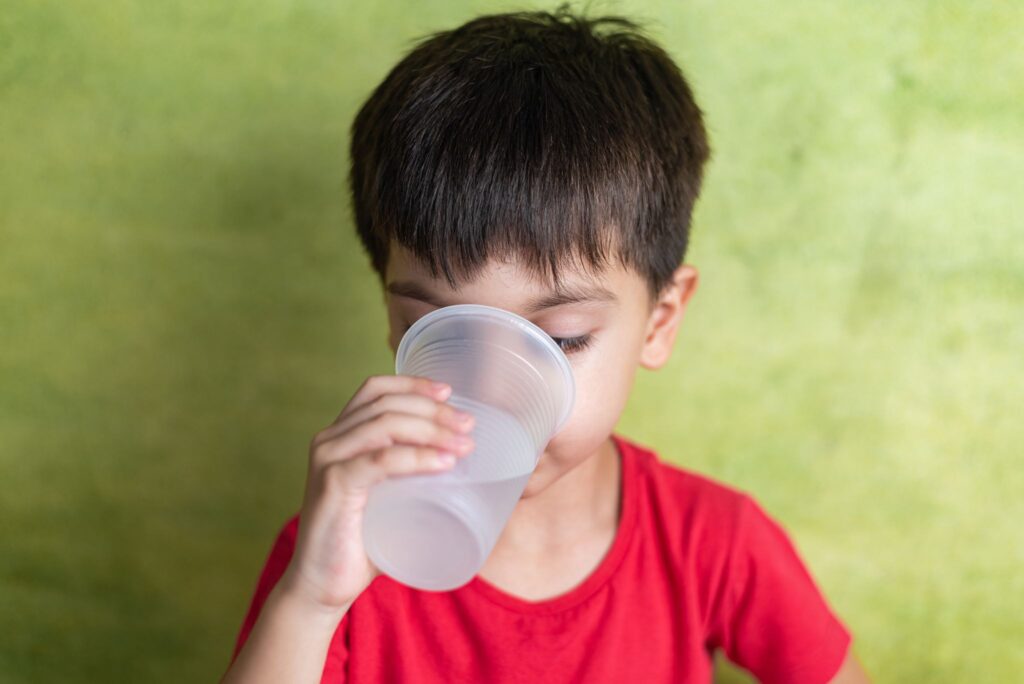
Children have a higher body surface area relative to their weight. That means more skin exposed, more fluid lost through sweat and breathing, and a faster path to dehydration. Younger children cannot always tell you they are thirsty. They are too busy playing, too distracted to notice. By the time a child says “I am thirsty,” they are often already mildly dehydrated.
Last year in May, a mother brought in her four-year-old who had not urinated in nearly six hours. No fever. No illness. Just a hot afternoon, outdoor play, and not enough fluids through the day. This is more common than most parents realise.
Watch for these signs in your child during summer: dry or cracked lips, dark yellow urine, no tears when crying, unusual crankiness or tiredness, and eyes that look slightly sunken. These are your body’s early warning signals, and they should not be ignored.
What a Pediatrician Actually Recommends?: The Best Summer Drinks for Kids
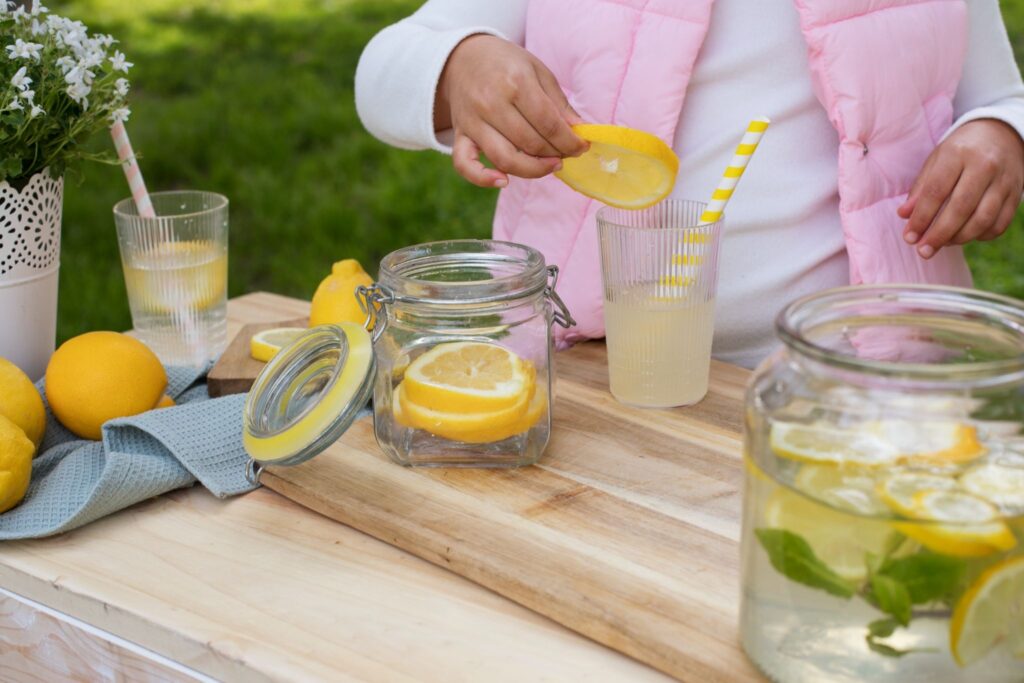
The answer is simpler than most parents expect. Water first. Always water.
1. Water: The Non-Negotiable First Choice
Plain water is the safest, cheapest, and most effective drink you can give your child in summer. There is nothing to add, nothing to buy. Keep a water bottle at your child’s eye level so it is always within reach. Use a colorful bottle they enjoy carrying. Drop a slice of lemon or cucumber in the water if they find plain water boring. The habit of drinking water regularly throughout the day is one of the most valuable health habits a child can build early.
2. Nimbu Sharbat: Homemade Lemon Water
This is the summer drink India grew up on, and there is a very good reason for that. Fresh lemon juice with a pinch of black salt and a touch of jaggery is naturally hydrating, rich in Vitamin C, and genuinely refreshing. Skip refined sugar. A small amount of jaggery or none at all works perfectly. If someone at home asks what to give the child instead of packaged juice in summer, nimbu sharbat is always the right answer.
3. Coconut Water: Nature’s ORS
Fresh nariyal pani is one of the best drinks for kids in summer, full stop. It contains potassium, sodium, and magnesium, the same electrolytes found in ORS (Oral Rehydration Solution), the drink doctors prescribe for dehydration. One coconut, roughly 200ml, daily is perfectly safe for toddlers above one year and older children. It is natural, it is cooling, and children genuinely enjoy it. This is a far better post-play drink than anything packaged.
4. ORS: When the Child Is Truly Dehydrated
ORS is available in sachets at any pharmacy. Mix it with clean water as per the instructions on the packet. Parents often reach for juice or glucose biscuits when a child looks weak and drained in summer heat. ORS is what actually works. It replaces the fluids and minerals lost through sweat far more effectively than any drink with added sugar.
5. Traditional Indian Drinks That Deserve More Credit
Chaas or buttermilk is a natural probiotic that cools the gut, aids digestion, and replaces salt lost through sweat. Add a pinch of roasted jeera powder and some coriander. It takes three minutes to make and works beautifully as a lunchtime drink during summer.
Sattu sherbet, the traditional roasted gram drink from Bihar and eastern UP, is an excellent protein-rich cooling drink for children above two years. Mix sattu powder with cold water, a squeeze of lemon, a pinch of black salt, and a little jaggery if needed.
Aam panna, made from raw mango, is another traditional Indian summer cooler that is rich in iron and Vitamin C. It is cooling, tangy, and children love it.
Quick Reference Table for Parents
| Drink | Suitable Age | Key Benefit | Added Sugar |
| Plain water | All ages (6 months onwards) | Primary hydration | None |
| nimbu sharbat | 1 year onwards | Vitamin C and natural cooling | Minimal, jaggery optional |
| coconut water | 1 year onwards | Natural electrolytes | None |
| ORS | All ages | Rehydration during dehydration | None |
| chaas or buttermilk | 1 year onwards | Gut health, cooling, and electrolytes | None |
| sattu sherbet | 2 years onwards | Protein, fibre, and cooling | Optional jaggery |
| aam panna | 2 years onwards | Iron, Vitamin C, and cooling | Minimal |
| Frooti, Real, Tropicana | Not recommended | High sugar and preservatives | Very high |
What to Avoid: Packaged Sugary Drinks Are Not Hydrating Your Child?
This is the part most parents need to hear clearly. Frooti, Real fruit juice, Tropicana, and similar packaged drinks are not the same as fresh fruit. They are sugar with fruit flavoring. A 200ml juice box can contain anywhere from 20 to 24 grams of sugar, which is nearly a full day’s recommended sugar limit for a child under 12, in one small box.
Here is the part most people do not know: sugar actually draws water out of the body at the cellular level. That means a child who drinks packaged juice in summer heat may feel more thirsty after drinking it, not less. This is exactly what many parents notice but cannot explain.
Children under two years of age should have zero added sugar. This is not an opinion. It is the official guideline of the Indian Academy of Pediatrics. Keep packaged drinks out of the house entirely during summer. If it is not in the refrigerator, no one asks for it.
How to Build Healthy Hydration Habits Without a Daily Battle?
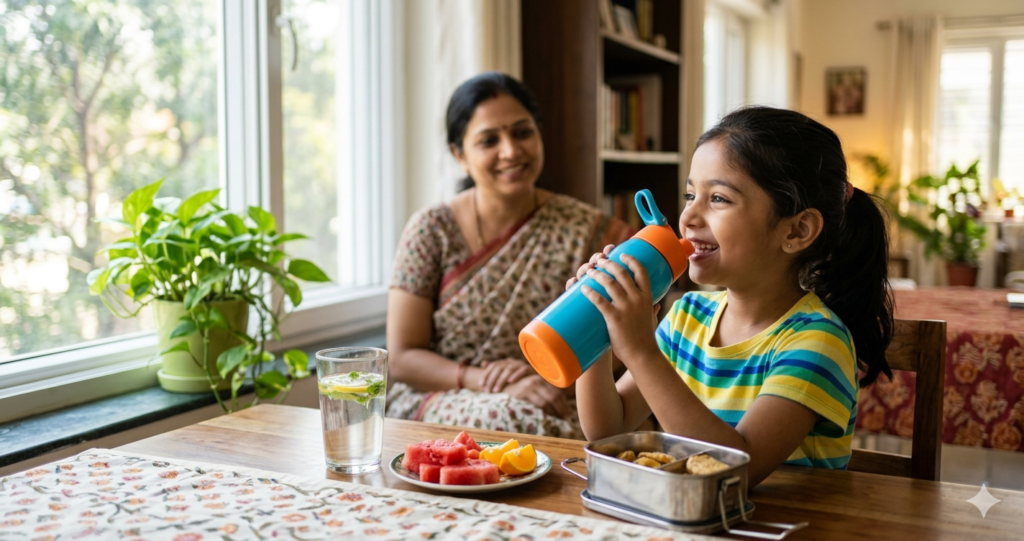
- Start every morning with a glass of water before breakfast, milk, or juice. This helps improve energy, mood, and overall hydration throughout the day.
- Keep water bottles within easy reach at home. Place them at the child’s eye level so drinking water feels simple and natural.
- Set regular water reminders during the day, especially during long play sessions, outdoor activities, or hot weather.
- Offer small amounts of water frequently instead of waiting until the child feels very thirsty.
- Involve children in preparing healthy drinks like nimbu sharbat or chaas. Children are often more excited to drink something they helped make.
- Turn hydration into a fun routine instead of a daily battle. Use colorful cups, fun straws, or special water bottles to make it more enjoyable.
- Lead by example. Children are more likely to drink water regularly when they see parents and family members doing the same.
- Praise good hydration habits gently. A simple “great job drinking your water” can encourage consistency without pressure.
- Keep water available during meals, homework time, travel, and bedtime routines so it becomes a normal part of the day.
- Make hydration feel like a family habit rather than a rule. Small, consistent routines usually work better than constant reminders.
Conclusion
One thing becomes clear: the best drinks are almost always the simplest ones. Water, fresh nimbu sharbat, coconut water, and ORS when needed. These four cover nearly everything a child requires to stay hydrated through an Indian summer. Homemade is always better than packaged. Natural is always better than processed. And the habits children build around food and drink before age ten tend to stay with them for life.
This summer, skip the packaged aisle. Your child’s body will thank you for it.
Have questions about your child’s hydration, nutrition, or summer health? Book a consultation at Vivasvan Child Care Clinic. Let’s make sure your child stays healthy and energetic all season long.
Frequently Asked Questions
Water is always the best choice. Homemade nimbu sharbat and fresh coconut water are excellent natural additions. Packaged fruit drinks should be avoided because they often contain high sugar and preservatives.
Yes. Fresh coconut water is safe for most children over one year of age. Around 200ml per day is usually enough during hot weather. It provides natural electrolytes and is a much better option than sports or energy drinks.
These drinks are best avoided, even occasionally, because they contain added sugar, preservatives, and artificial flavours. Fresh homemade juice in small amounts is usually a healthier choice.
ORS should be used if a child shows signs of dehydration such as dark urine, very little urination, dry mouth, no tears while crying, weakness, or unusual tiredness after being outdoors. It replaces lost fluids and electrolytes more effectively than regular drinks.
Children aged 4 to 8 usually need around 1.7 to 2 litres of fluids per day. Children aged 9 to 13 may need up to 2.5 litres. This includes water, coconut water, chaas, and hydrating foods like watermelon and cucumber.

Vivasvan Parekh
As a pediatrician and child specialist based in Mumbai, I bring over 15 years of experience in delivering comprehensive child healthcare. I hold an MD in Pediatrics and practice in Ghatkopar East and Chembur, where I focus on preventive and evidence-based pediatric care. My areas of expertise include vaccinations, newborn care, growth and development monitoring, and the treatment of common and complex childhood illnesses. I am committed to supporting parents with practical, reliable guidance on child health, nutrition, and overall well-being. Through my blog, I share trusted insights on pediatric health, helping parents make informed decisions about their child’s care and development.