
Air pollution is no longer a seasonal inconvenience in India. It is a year round public health concern.
In many Indian cities, AQI levels regularly cross 150 and often exceed 300 during peak smog periods, classified as “very poor.” Fine particulate matter, especially PM2.5, is the most harmful component. These microscopic particles travel deep into the lungs and can even enter the bloodstream.
Children are more vulnerable than adults. Their lungs are still developing, they breathe faster, and their immune systems are less mature. Even short term exposure can trigger cough, wheezing, allergic rhinitis, eye irritation, and asthma flare ups. Long term exposure may affect lung growth and overall respiratory health.
Each winter and post festive season, pediatric clinics like Vivasvan Parekh Child Care in cities like Mumbai see a clear rise in respiratory complaints. Parents often ask: How can we protect children when we cannot control outdoor air?
While outdoor air quality is beyond individual control, exposure is not. With the right indoor strategies and smart outdoor precautions, families can significantly reduce risk.
This guide outlines practical, medically sound steps to help protect children during high pollution periods with clarity and confidence.
You can also check out this short Instagram reel for a quick overview:
Why Children Are More Vulnerable to Air Pollution
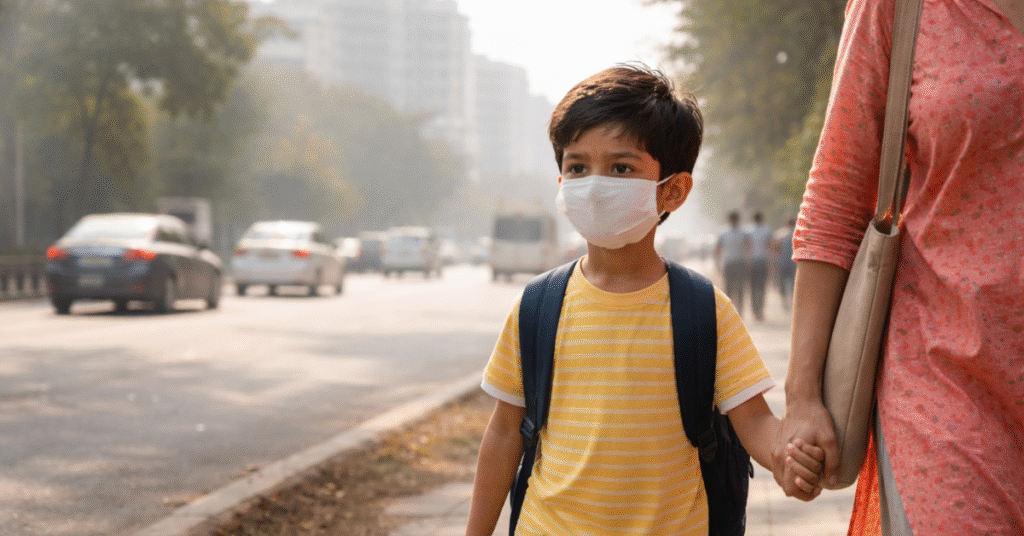
Understanding the risk helps parents act early.
Children are not just small adults. They breathe faster, inhale more air per kilogram of body weight, and spend more time outdoors. Their lungs continue developing until late adolescence, and their immune systems are still maturing.
During high pollution months, a clear pattern appears. Toddlers with repeated “colds” may actually have airway irritation worsened by smog exposure. Many parents assume these are just seasonal infections, when pollution may be aggravating airway sensitivity. School aged children with no prior asthma history sometimes present with first time wheezing during peak AQI days. In cities like Mumbai, this becomes more noticeable during winter and post festive periods.
Common symptoms linked to poor air quality include:
- Persistent dry cough
- Noisy breathing or wheezing
- Increased asthma attacks
- Runny or blocked nose
- Red, itchy eyes
- Fatigue and reduced outdoor stamina
Long term exposure is associated with reduced lung growth, increased allergy risk, and higher chances of chronic respiratory disease.
For urban families in India, air pollution safety should become part of routine parenting, both indoors and outdoors.
Indoor Protection Strategy: Building a Safe Air Zone at Home
The most effective step to protect children from air pollution in India begins indoors. While outdoor AQI cannot be controlled, indoor exposure can be significantly reduced with structured, consistent measures.
1. Use an Air Purifier, Even a Basic One
Air purifiers with HEPA filters are proven to reduce PM2.5 levels inside homes. A high end model is not essential. Even entry level devices can substantially lower indoor particle concentration when used correctly.
If the budget is limited, place a single purifier in the child’s bedroom. Night time is when children spend several uninterrupted hours in the same environment, making the bedroom the highest priority zone.
If air conditioners are already installed, consider adding compatible HEPA filtration. This can enhance air quality without major additional investment.
2. Keep Windows Closed During Peak Pollution Hours
Early mornings and late evenings often record higher pollution levels due to temperature inversion and traffic density. On high AQI days, keep windows and doors closed during these periods.
Ventilation remains important, but timing matters. Check daily AQI using official platforms such as System of Air Quality and Weather Forecasting and Research before opening windows.
3. Smart Cleaning Practices
A common household mistake is sweeping while children are present. Dry sweeping and dusting re-suspend settled particles, temporarily increasing indoor pollution.
Ensure children are not in the immediate area during cleaning. Allow time for particles to settle before they re enter the room.
Prefer wet mopping over dry sweeping. Use a damp cloth for surfaces. Walls should not be ignored, as dust settles vertically as well. Wiping walls with a damp cloth two to three times a week can further reduce airborne particles.
4. Change Bedsheets Frequently
Fine particles and dust mites accumulate in bedding. During high pollution periods, increase the frequency of bedsheet changes to reduce allergen load.
For children with asthma or allergic tendencies, this step can meaningfully reduce nighttime coughing.
5. Avoid Indoor Pollutants
Avoid smoking indoors. Limit the use of incense sticks, mosquito coils, and scented candles. These release additional particulate matter into already compromised indoor air.
Creating a safe air zone at home does not require expensive interventions. It requires prioritisation, timing, and consistency.
Outdoor Safety: Reducing Exposure Without Creating Fear
Children need sunlight, movement, and outdoor play. The objective is not isolation. It is smart exposure management.
1. Monitor AQI Daily
Check daily AQI before planning outdoor activities. Use reliable Indian platforms such as System of Air Quality and Weather Forecasting and Research and Central Pollution Control Board based dashboards.
If AQI rises above 150 to 200, reduce outdoor playtime, especially high intensity sports. On “very poor” days, limit prolonged outdoor exposure.
Schools can be encouraged to shift assemblies, physical training, and sports indoors during high pollution periods. A structured, collective approach protects all children.
2. Choose the Right Time
Pollution levels are often higher in early mornings due to temperature inversion and traffic build up. Mid day frequently shows relatively lower levels.
Avoid early morning walks or outdoor sports during smog peaks. Adjust schedules where possible.
3. Mask Use: Age and Quality Matter
Masks are not recommended for very young children. For children above five years, masks may be used during essential outdoor exposure on high AQI days.
Cloth masks do not filter fine particulate matter effectively. A properly fitted N95, or ideally N99 mask, provides meaningful protection against PM2.5.
Fit is critical. The mask should sit snugly over the nose and mouth without visible side gaps. Poor fit significantly reduces filtration efficiency.
4. Travel Safety
Keep car windows closed in heavy traffic. Use the vehicle’s internal air circulation mode when pollution levels are high.
For children commuting on two wheelers, mask use becomes particularly important due to direct exposure to vehicular emissions.
Outdoor safety is not about fear. It is about informed, practical adjustments that reduce cumulative exposure while allowing children to remain active and engaged.
Supporting Immunity and Airway Health

Air pollution cannot be completely eliminated. Supporting a child’s natural defenses helps reduce symptom severity and improve recovery.
Balanced, Antioxidant Rich Diet
Daily nutrition plays a supportive role in managing pollution related stress on the body.
Include:
- Vitamin C rich fruits such as oranges, guava, and papaya
- Green leafy vegetables
- Nuts and seeds that provide omega 3 fatty acids
- Adequate protein from balanced vegetarian or non vegetarian sources
While diet does not block pollution exposure, antioxidants help counter oxidative stress triggered by pollutants like PM2.5 and support immune regulation.
Hydration
Adequate water intake maintains moisture in the airway lining. A well hydrated mucosal surface is better able to trap and clear inhaled particles.
Encourage regular fluid intake throughout the day, especially during high pollution periods.
Nasal Hygiene
Saline nasal sprays or gentle rinses can help remove trapped particles after outdoor exposure. This is particularly useful on high AQI days.
Encourage children to wash their face and hands immediately after returning home. Changing out of outdoor clothes can further reduce indoor contamination.
Children who consistently follow this simple post outdoor routine often report fewer nasal symptoms and less congestion during high pollution periods.
Strengthening airway hygiene does not replace exposure control. It complements it, forming a practical, everyday defense strategy.
Recognizing Warning Signs Early
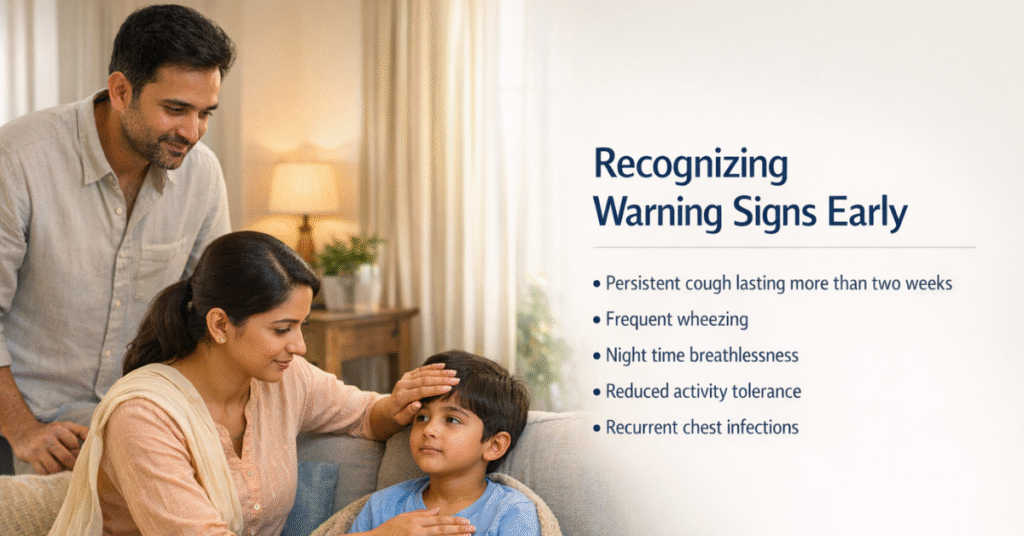
Seek medical evaluation if your child experiences:
- Persistent cough lasting more than two weeks
- Frequent wheezing
- Night time breathlessness
- Reduced activity tolerance
- Recurrent chest infections
Do not ignore these symptoms as “just pollution”. Early intervention prevents long term complications.
A Final Word to Parents
It is understandable to feel anxious about children’s health during smog season. But fear does not protect children. Informed, consistent action does.
Control what can be controlled inside the home. Monitor air quality outside. Use practical air pollution protection tips for kids without disrupting normal childhood experiences.
Small daily decisions add up.
If your child has persistent respiratory symptoms or existing asthma, schedule a consultation for personalized guidance. Every child’s lungs are unique, and tailored advice ensures better long term outcomes.
Protecting children from air pollution in India is not about perfection. It is about awareness, preparation and steady care.
Healthy lungs today build stronger adults tomorrow.
Book a Consultation
If your child is experiencing recurring cough, wheezing, or pollution related symptoms, schedule a consultation at Vivasvan Parekh Child Care Clinic for a personalised respiratory care plan tailored to your child’s needs.
Frequently Asked Questions
1. How can parents effectively protect children from air pollution in India on a daily basis?
Focus on controlling indoor air quality, monitoring AQI, limiting outdoor exposure on high pollution days and using appropriate masks for children above five years. Consistency is more important than extreme measures.
2. Are air purifiers truly necessary for child safety during air pollution?
Yes. HEPA based air purifiers significantly reduce indoor PM2.5 levels. Even entry level models provide measurable benefit, especially in bedrooms.
3. Should children stop outdoor activities completely during smog season?
Not completely. Restrict outdoor play when AQI is above 150 to 200 and avoid early mornings. Choose safer timings and indoor alternatives when needed.
4. Do cloth masks protect children from pollution?
No. Cloth masks do not effectively filter fine particles. Use well fitted N95 or N99 masks for children above five years.
5. Can air pollution cause long term lung damage in children?
Chronic exposure can impair lung development and increase asthma risk. That is why proactive indoor and outdoor air pollution safety is essential.
Disclaimer
This article is for general informational purposes only and is not a substitute for professional medical advice, diagnosis, or treatment. For any concerns about your child’s health, please visit Vivasvan Parekh Child Care Clinic.

Vivasvan Parekh
As a pediatrician and child specialist based in Mumbai, I bring over 15 years of experience in delivering comprehensive child healthcare. I hold an MD in Pediatrics and practice in Ghatkopar East and Chembur, where I focus on preventive and evidence-based pediatric care. My areas of expertise include vaccinations, newborn care, growth and development monitoring, and the treatment of common and complex childhood illnesses. I am committed to supporting parents with practical, reliable guidance on child health, nutrition, and overall well-being. Through my blog, I share trusted insights on pediatric health, helping parents make informed decisions about their child’s care and development.