Getting your child’s lunch box right every morning can feel like a mini puzzle — something quick, tasty, and still healthy. But with most Indian school kids missing out on fruits and veggies and leaning toward processed snacks, it’s a challenge worth solving. The good news? A balanced meal for children, inspired by our simple Indian staples, can keep them energized, focused, and ready to take on the school day with a smile.
Why a Balanced Lunch Box Matters
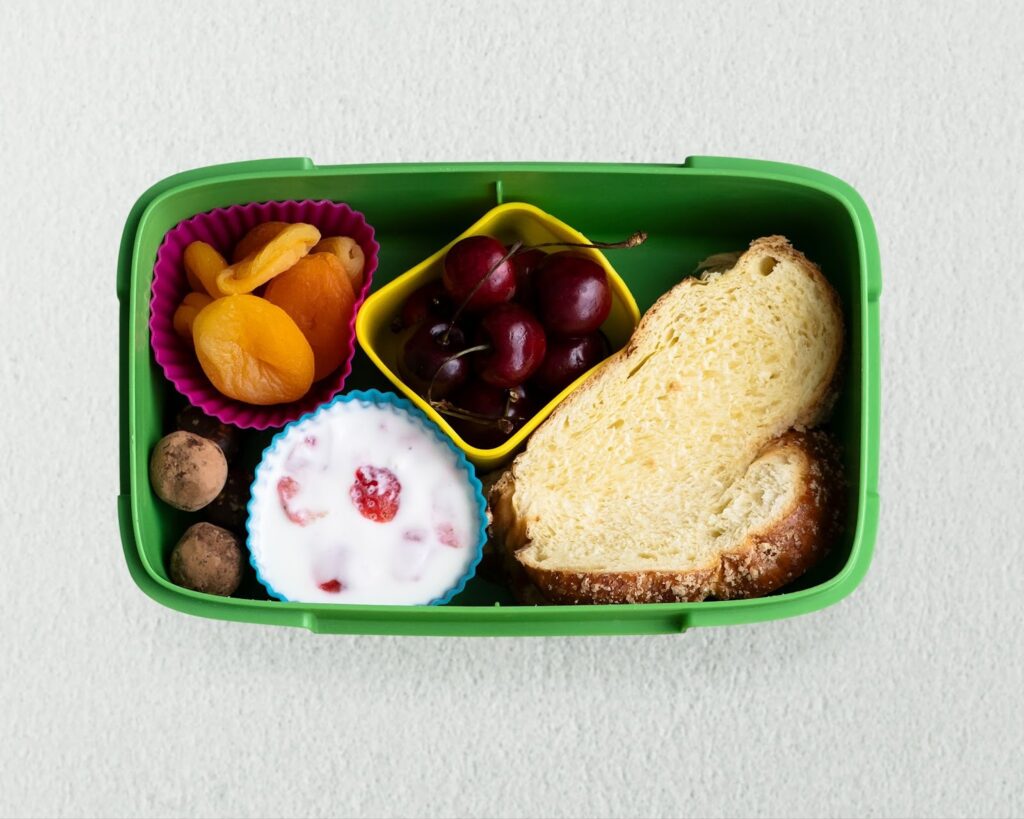
A good lunch does more than fill your child’s stomach; it fuels their brain, energy, and mood for the rest of the school day. When kids skip balanced meals or rely on chips and packaged snacks, it often shows up as low energy, poor focus, or even irritability in class. A wholesome, home-packed lunch helps them stay alert and builds healthy eating habits that last well beyond childhood.
Now, here’s a simple rule that works beautifully, the “½ – ¼ – ¼” formula:
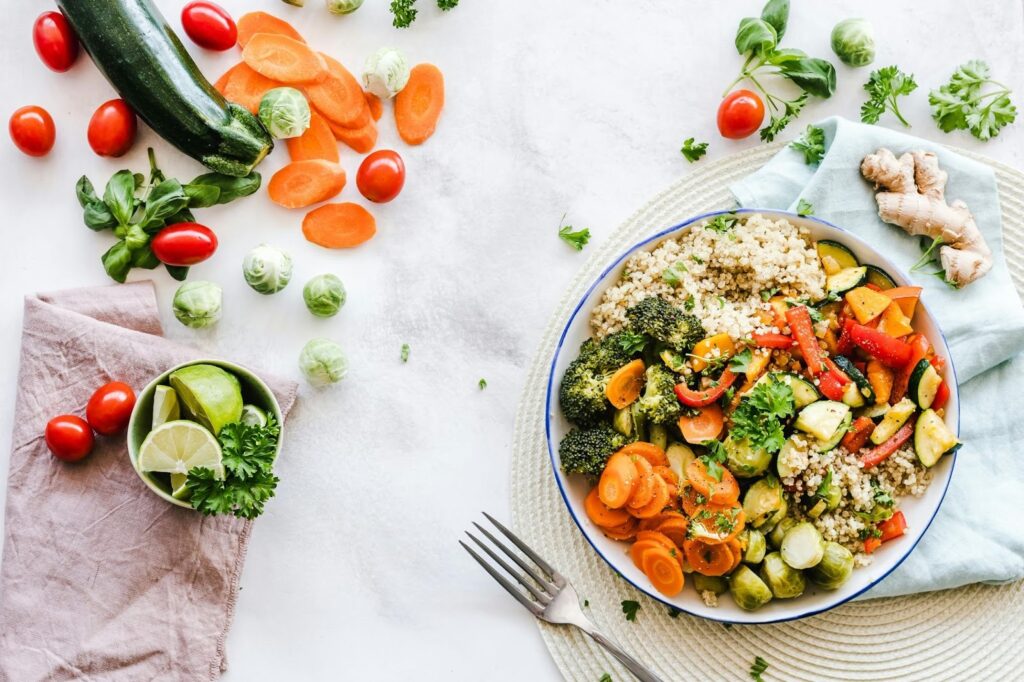
- Half the tiffin is packed with colorful fruits and veggies to keep them hydrated and full of fiber.
- One-fourth filled with whole grains like roti, rice, or millets for steady energy.
- One-fourth reserved for protein like paneer, dal, eggs, or chicken to support growth.
It’s quick to plan, easy to follow, and perfect for busy mornings.
Healthy Tiffin Ideas India: Building Blocks of a Nutritious Lunch Box
Every lunch box should strike a balance, enough energy to fuel play and learning, plus the nutrients to keep your child growing strong. Here’s a simple way to think about it: fill their dabba with color, texture, and variety.
Key Components of a Balanced Lunch Box:
- Carbohydrates: Whole grains like roti, brown rice, or millets for long-lasting energy.
- Proteins: Lentils, paneer, sprouts, eggs, tofu, or chicken to support muscle and brain growth.
- Healthy Fats: A touch of ghee, nuts, or seeds adds flavor and good fats.
- Vitamins & Minerals: Bright veggies and seasonal fruits — think carrots, spinach, guava, or papaya.
- Hydration: Skip the fizzy drinks; go for water, buttermilk, or coconut water.
Portion Guide by Age Group:
- Toddlers (2–5 years): Soft, easy-to-eat meals in small portions, offered more frequently.
- Primary school kids (6–10 years): Energy-packed foods with a mix of grains, veggies, and protein.
- Pre-teens & teens: Larger, protein-rich meals to match their growing bodies and busy schedules.
Even on the rushiest mornings, a balanced tiffin doesn’t need to be fancy, just thoughtful.
Lunch Box Ideas Indian Style: From Preschool to Hostel Life
| Age Group | Meal Ideas | Highlights |
| Preschoolers (2–5 years) | • Mini idlis with vegetable chutney • Vegetable poha or upma with grated carrot • Chapati roll with mashed paneer or dal filling | Soft textures, small bites, easy to chew and digest |
| Primary School (6–10 years) | • Vegetable parathas with curd • Lemon rice with peanuts and salad sticks • Whole wheat sandwiches with egg or paneer stuffing | Balanced meals with carbs, protein, and fiber |
| Teens & Hostel Students (11+ years) | • Quick oats with milk and fruits • One-pot khichdi or vegetable pulao with curd • Roti wraps or chapati rolls with sautéed vegetables and protein | Simple, filling, and easy to prep, perfect for independent eaters |
The Smart Packing Guide: Keeping Food Fresh & Tasty
A well-packed tiffin makes all the difference, no one likes soggy parathas or leaky curries by lunchtime. Use insulated or stainless-steel boxes to keep food warm and fresh till the last bite. Wrap rotis or parathas in foil or a soft cloth so they stay soft, not chewy. Always pack gravies separately in a tight, leak-proof container, trust me, school bags will thank you.
Let hot food cool a bit before closing the lid to avoid that steamed-up sogginess. And for a touch of fun, slip in colorful fruits or food cut into cute shapes. It’s the easiest way to make healthy food exciting, even for fussy eaters.
Practical Tips for Parents
- Plan Ahead: Prep the basics paratha dough, boiled eggs, or chopped veggies the night before to save time in the morning rush.
- Involve Kids: Let them pick between two healthy options; when kids help decide, they’re more likely to finish their lunch.
- Rotate Recipes: Try a new tiffin idea every week to keep things interesting and prevent “same lunch again?” complaints.
- Skip the Junk: Swap chips and sugary drinks for nuts, roasted makhana, or a fresh fruit slice.
- Add Variety: Aim to include at least four food groups daily: grains, protein, veggies, and fruit for a truly balanced meal.
Sample Weekly Indian Lunch Box Plan
| Day | Main Dish | Side | Fruit | Tip |
| Monday | Veg paratha + curd | Carrot sticks | Apple slices | Add ajwain for digestion |
| Tuesday | Masala rice + boiled egg | Salad | Banana | Pack rice slightly dry to avoid sogginess |
| Wednesday | Mini idlis + chutney | Paneer cubes | Grapes | Use colorful idlis to make it fun |
| Thursday | Paneer wrap | Veggie sticks + hummus | Orange | Wrap in foil to keep soft |
| Friday | Poha | Roasted chana | Pomegranate | Add lemon for vitamin C boost |
Balanced Meal for Children: The Hostel Edition
Hostel life doesn’t have to mean skipping nutrition, a few smart tweaks can make everyday meals healthier.
Smart Add-ons for Mess Meals: Pair simple dal-rice with a bowl of salad or curd to pack in extra protein and freshness.
Healthy Room Snacks: Keep easy, non-messy options like makhana, nuts, chikki, oats, or boiled eggs, perfect for late-night study hunger.
Quick Meals with Minimal Cooking:
- Instant oats with milk and a handful of nuts
- Sprout chaat with lemon, onion, and a pinch of chaat masala
- Rice bowl tossed with leftover veggies for a quick, wholesome fix
When to Seek Professional Advice
If your child often feels tired, falls sick easily, or struggles to concentrate, it might be a sign their diet isn’t meeting their nutritional needs. In such cases, it’s best to consult a pediatric nutritionist in Mumbai for tailored meal planning and growth monitoring.
At Vivasvan Parekh Child Care Clinic, Mumbai, families receive expert guidance on balanced diets, portion control, and practical tips to build lifelong healthy eating habits.
Conclusion
A well-packed lunch box isn’t just about food, it’s about care, consistency, and setting your child up for success every single day. When parents mix traditional Indian meals with a bit of creativity and planning, tiffins turn into tiny boxes of energy, focus, and happiness. Whether your child is in school or staying in a hostel, a balanced meal made with a touch of home-cooked love always makes the biggest difference.
Get expert tips and personalized meal plans from Vivasvan Parekh Child Care Clinic, Mumbai to make every tiffin nutritious, tasty, and fun.
FAQs
Q1. What should a balanced lunch box for kids contain?
A: A mix of whole grains, proteins, fruits, and vegetables — ideally in the 1/2–1/4–1/4 ratio — to ensure a balanced meal for children that supports steady energy and focus.
Q2. What are some quick healthy tiffin ideas in India for busy mornings?
A: Try stuffed parathas, mini idlis, poha, or paneer wraps — easy-to-pack options that kids enjoy.
Q3. How do I make a nutritious lunch box for school that stays fresh?
A: Use insulated boxes, pack semi-dry dishes, and let food cool before sealing. Include fresh fruits for natural sweetness.
Q4. What’s the best lunch box idea Indian style for picky eaters?
A: Turn regular meals into fun shapes, idli pops, roll-ups, or colorful parathas to make lunch exciting.
Q5. When should I consult a pediatric nutritionist in Mumbai?
A: If your child shows signs of nutritional deficiency, poor appetite, or imbalanced growth, visit a pediatric nutritionist Mumbai for a tailored plan.