
Quick Overview:
Preparing an older sibling for a new baby works best through small, age-appropriate steps taken before and after birth involving the child in preparations, keeping their routine as stable as possible, and giving them focused one-on-one attention once the baby arrives. Sibling jealousy is a normal reaction, not a sign of a parenting problem, and it typically eases within a few months.
- Toddlers under 3 understand a new baby is coming, but not what that actually means until the baby is home.
- Regression like a potty-trained toddler having accidents again is a common, temporary reaction to a new sibling.
- Involving an older child in simple baby-related tasks builds a sense of role rather than replacement.
- One-on-one time with each parent matters more than the amount of time spent together as a family.
- Sibling jealousy that persists intensely for many months, or involves aggression toward the baby, is worth discussing with a pediatrician.
The Moment Everything Changes for the Firstborn
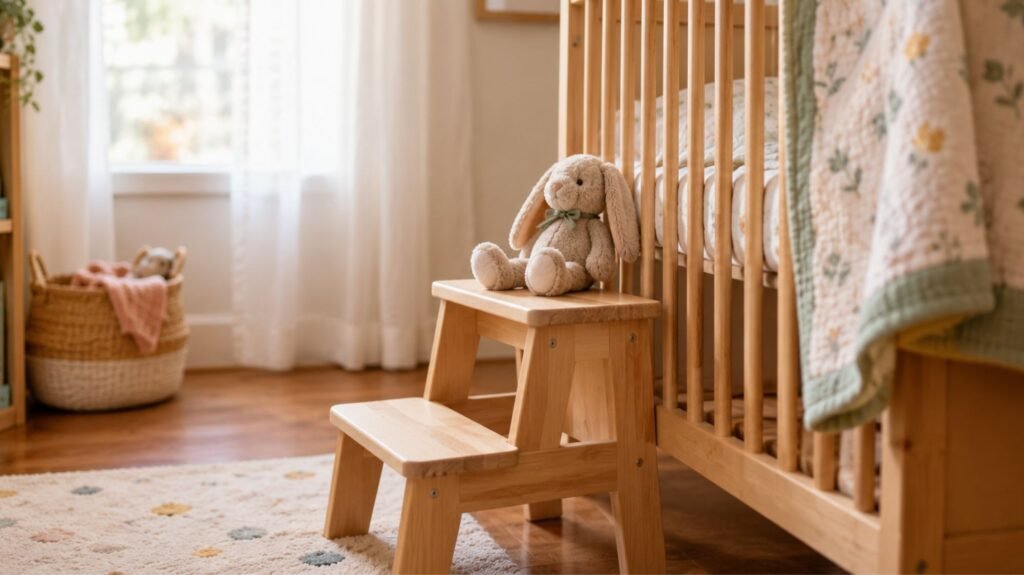
There’s a particular kind of quiet that settles over a toddler the first time they watch their parents carry someone else’s baby into the house that used to be entirely theirs. Some children lean in with immediate curiosity. Others hang back, arms crossed, watching from the doorway like a small, suspicious landlord assessing a new tenant. Both reactions are completely normal, and neither one predicts how the relationship will eventually turn out.
For an older sibling, especially a toddler between 18 months and 4 years the arrival of a new baby is one of the biggest shifts in their short life so far, upending a routine and an identity they’ve only just begun to understand. What eases this transition isn’t a single conversation or a perfectly worded explanation; it’s a series of small, consistent steps taken before and after the birth that help a child feel secure rather than replaced.
This piece covers what actually helps prepare an older sibling for a new baby, why jealousy shows up the way it does, and how to tell ordinary adjustment from something worth a closer look.
How Do You Prepare a Toddler for a New Baby?
Preparing a toddler for a new baby works best through simple, concrete steps rather than lengthy explanations since most toddlers under 3 don’t yet grasp abstract timelines like “in a few months.” Involving them in small preparations, keeping language simple and honest, and introducing the idea gradually rather than all at once all help make the eventual arrival feel expected rather than sudden.
When to Start Talking About the New Baby
For toddlers, waiting until the later part of the pregnancy to start talking about the new baby tends to work better than introducing it too early, since a very young child has limited understanding of time and a months-long wait can feel confusing or even worrying. For children closer to 3 or 4, who have a clearer sense of “soon” versus “later,” conversations can start a little earlier, especially once visible changes like a growing belly or a nursery being set up naturally prompt questions.
Simple Ways to Involve an Older Sibling Before the Birth
- Let them help pick out a small item for the baby, like a soft toy or a piece of clothing
- Read books together about becoming a big brother or sister
- Talk about the baby using their name if it’s already chosen, to make the idea feel more real
- Visit a friend or relative with a young baby, if possible, so the toddler sees what a newborn is actually like
- Avoid major changes like potty training or a new bed too close to the due date, since piling on too much change at once increases stress
Why Do Toddlers Get Jealous of a New Baby?
Toddler jealousy toward a new baby usually stems from a sudden, real shift in parental attention rather than any deliberate misbehaviour from the toddler’s perspective, a new, constantly-held, endlessly-fussed-over person has arrived and is getting exactly the kind of focus they’re used to receiving themselves. This isn’t a character flaw or a parenting failure; it’s simply a very understandable emotional response from someone too young to reason their way through it.
What Sibling Jealousy Actually Looks Like
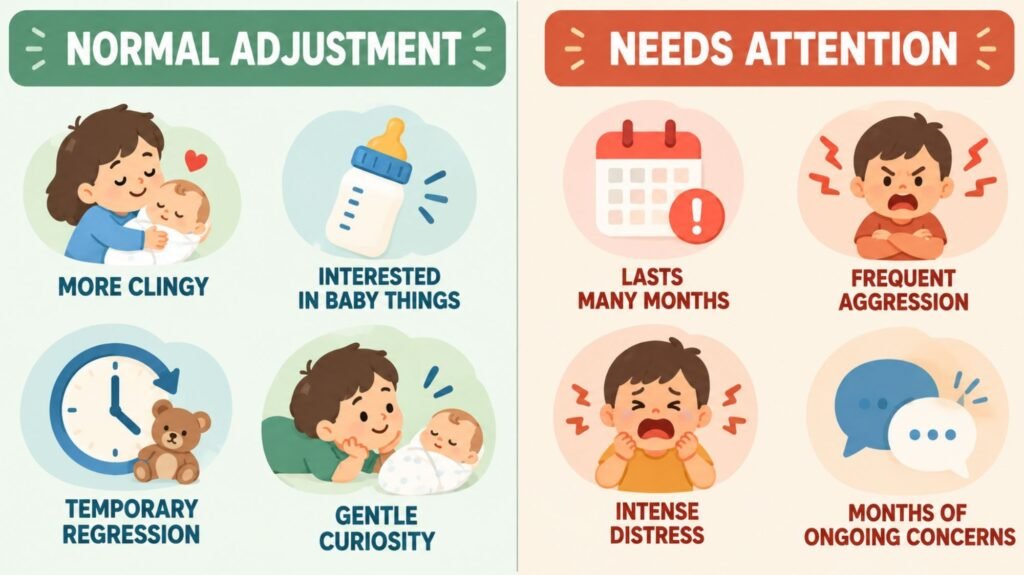
Sibling jealousy in a new baby situation doesn’t always look like obvious anger. It can show up as clinginess, sudden shyness around visitors, asking to be carried again after months of walking independently, wanting a bottle again, or regressing in areas like potty training or sleep. These regressions are a toddler’s way of asking, without words, “am I still going to be taken care of?” and they’re almost always temporary.
Introducing the New Baby to an Older Sibling: The First Few Days
Introducing a new baby to an older sibling goes more smoothly when the toddler’s first meeting with the baby happens in a calm setting, ideally with the parent’s arms free to greet the older child first rather than the toddler having to compete with the newborn from the very first moment. Bringing a small “gift from the baby” for the older sibling, a small toy presented as being from their new brother or sister is a simple gesture that many families find helps soften that first interaction.
A Few Practical Tips for the First Meeting
- Have a parent’s arms free to hug the older child first when they arrive
- Let the toddler decide how close they want to get to the baby don’t force physical affection
- Praise gentle curiosity (“You’re being so soft with your hands”) rather than only correcting rough behaviour
- Keep the first meeting low-key rather than turning it into a big, overwhelming event with lots of visitors at once
Sibling Adjustment: What’s Normal vs What Needs Attention
| Behaviour After the Baby Arrives | Usually Normal Adjustment | Worth Discussing With a Pediatrician |
| Asking to be carried or fed again after being independent | Yes | — |
| Occasional potty-training accidents in the first weeks | Yes | — |
| Wanting extra attention, clinginess with parents | Yes | — |
| Mild acting out (tantrums, testing limits) | Yes | — |
| Gentle curiosity mixed with occasional wariness toward the baby | Yes | — |
| Persistent, intense distress lasting many months without easing | — | Yes |
| Repeated attempts to hurt or roughly handle the baby | — | Yes |
| Complete withdrawal from parents or usual activities | — | Yes |
| Severe sleep or eating disruption lasting well beyond a few weeks | — | Yes |
Helping an Older Child Adjust in the Weeks After Birth
Protect One-on-One Time, Even in Small Amounts
Fifteen minutes of focused, undistracted time with each parent reading a book, playing a simple game, going for a short walk often reassures an older sibling more than hours spent together as a group with the baby present. What matters to a toddler isn’t the total time, it’s whether they get moments where they’re the only focus.
Give Them a Role, Not Just a Warning
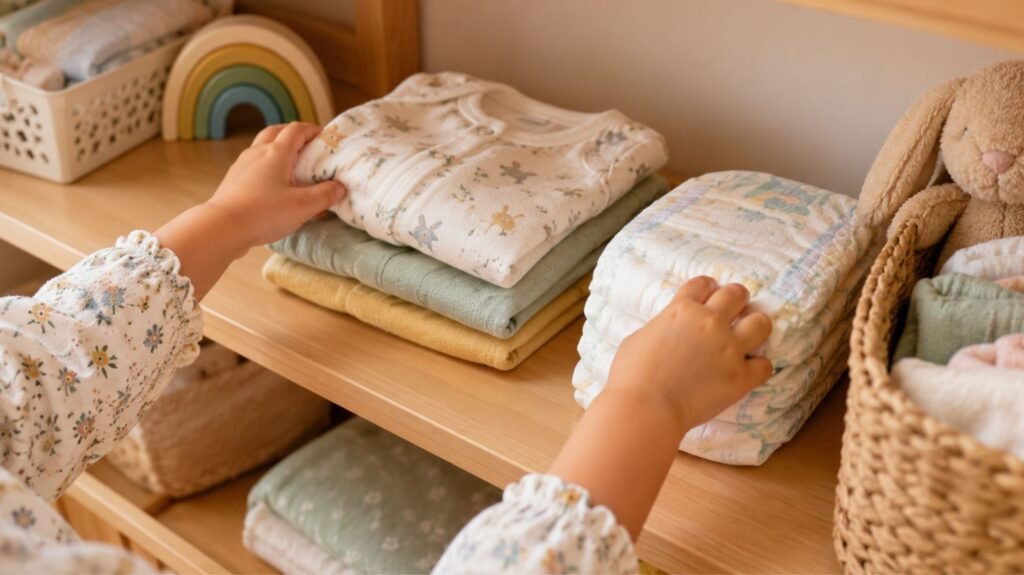
Framing the older sibling as a helper fetching a diaper, choosing an outfit, singing to the baby builds a sense of purpose rather than exclusion. Children who feel like they have a role in caring for the baby tend to show less resentment than those who are simply told to “be careful” and “be quiet” around the newborn.
Keep Routines as Stable as Possible
Familiar mealtimes, bedtime rituals, and daily structure act as an anchor during a period when a lot else is changing. This is also a good reason to avoid stacking other major transitions like starting school or moving rooms too close to the baby’s arrival, since a toddler’s coping capacity has a limit.
Watch for Signs of Ongoing Stress
Occasional regression and jealousy are expected, but if a toddler’s distress feels unusually intense or drags on for many months without easing, gentle professional guidance can help during a routine postpartum counselling visit, this is exactly the kind of family adjustment concern worth raising alongside how the new parents themselves are coping.
Practical Guidance for Parents Managing the Transition
Worth doing: Involving the older sibling in small, concrete ways before and after the birth, protecting brief one-on-one time daily, and naming their feelings out loud (“It’s hard sharing Mumma right now, isn’t it?”) rather than dismissing them.
Worth avoiding: Forcing physical affection toward the baby, comparing the toddler unfavourably to how “easy” the baby is, and introducing major unrelated changes like potty training or a new school right around the birth.
When to seek guidance: If jealousy or regression feels unusually intense, doesn’t ease over several months, or involves repeated attempts to hurt the baby, raising it during a growth monitoring visit or a dedicated consultation can help rule out anything beyond ordinary adjustment.
Realistic expectations: Some jealousy and regression is close to universal among older siblings and isn’t a sign of failed preparation; it typically softens over the following weeks and months as the toddler settles into their new role.
For related guidance, parents can also check Child Care Clinic Mumbai’s resources on vaccination and immunisation for the new baby’s early schedule, child nutrition counselling if an older sibling’s eating habits shift during this adjustment period, and booking a consultation for either child.
Conclusion
Preparing an older sibling for a new baby isn’t about avoiding jealousy altogether; that’s rarely realistic; it’s about giving a toddler enough involvement, attention, and stability that the adjustment feels manageable rather than overwhelming. Small steps like involving them in preparations, protecting one-on-one time, and framing them as a helper rather than a bystander go a long way, and most of the rough patches ease naturally within a few months.
Parents navigating this transition, whether it’s the toddler’s regression or simply the exhaustion of managing two young children at once, don’t have to figure it out alone. A conversation at Child Care Clinic Mumbai can offer practical, personalised guidance for both the new baby’s care and the older sibling’s adjustment.
FAQ
Involve them in simple preparations, keep explanations concrete and age-appropriate, read books about becoming a sibling, and avoid introducing other major changes too close to the birth.
Yes, jealousy, clinginess, and mild regression are extremely common reactions in older siblings and typically ease over the weeks and months following the baby’s arrival.
Protecting daily one-on-one time, giving the older child a helper role with the baby, keeping routines stable, and acknowledging their feelings openly all support a smoother adjustment.
Occasional rough or curious handling is common and usually corrected with gentle guidance, but repeated or deliberate attempts to hurt the baby are worth discussing with a pediatrician to understand what’s driving the behaviour.
Most sibling jealousy and regression noticeably eases within a few months, though the exact timeline varies by child; adjustment that remains intense well beyond that window is worth a professional conversation.

Vivasvan Parekh
As a pediatrician and child specialist based in Mumbai, I bring over 15 years of experience in delivering comprehensive child healthcare. I hold an MD in Pediatrics and practice in Ghatkopar East and Chembur, where I focus on preventive and evidence-based pediatric care. My areas of expertise include vaccinations, newborn care, growth and development monitoring, and the treatment of common and complex childhood illnesses. I am committed to supporting parents with practical, reliable guidance on child health, nutrition, and overall well-being. Through my blog, I share trusted insights on pediatric health, helping parents make informed decisions about their child’s care and development.