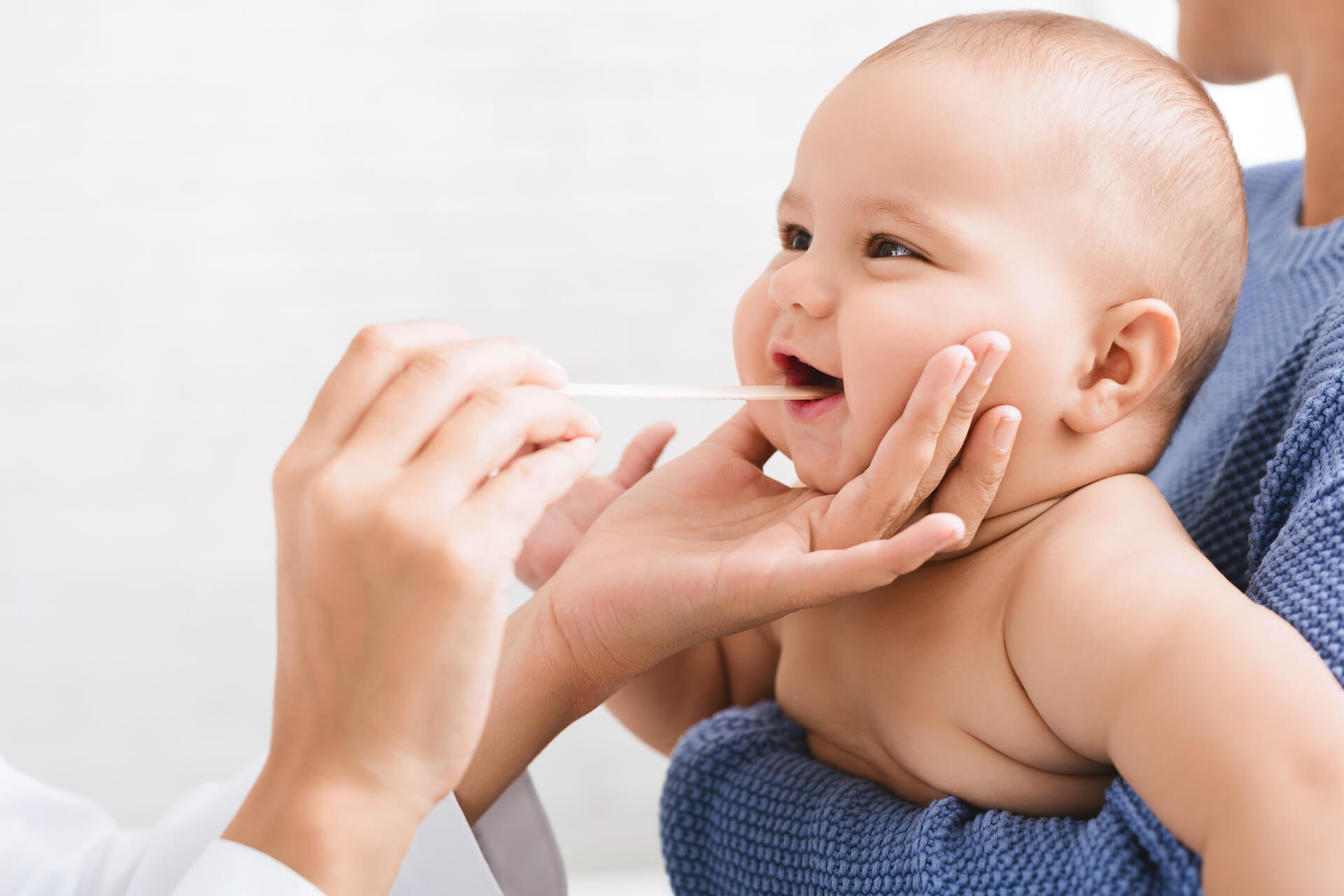
Children are especially vulnerable to infections because their immune systems are still developing. According to NFHS‑5 (2019‑21), around 2.8% of children under five in India experienced symptoms of acute respiratory infections in the two weeks before the survey, and studies show that over two‑thirds of severe respiratory cases in young children are caused by viruses.
For parents, it’s often tricky to distinguish viral vs bacterial infection in children, since child infection symptoms like fever, cough, and fatigue can look very similar. Knowing the difference and seeking timely guidance from a child fever doctor in Mumbai or a trusted pediatrician is crucial for managing common infections in children safely and effectively.
Understanding Viral vs Bacterial Infections in Children

What Are Viral Infections in Kids?
Viral infections are caused by viruses, tiny microbes that can’t be treated with antibiotics. They often spread quickly in schools and playgrounds. Common examples include the common cold, flu, chickenpox. In Mumbai, pediatric clinics notice that viral infections spike during the monsoon and winter months, when coughs, colds, and fevers sweep through classrooms. Most viral illnesses in children are self-limiting, but monitoring symptoms closely is important to avoid complications.
What Are Bacterial Infections in Children?
Bacterial infections are caused by bacteria, single-celled organisms that can multiply rapidly and sometimes require antibiotics. Examples include strep throat, urinary tract infections (UTIs), and bacterial pneumonia. In children, bacterial infections often appear suddenly and may cause higher fever or more localized symptoms, like throat pain or painful urination. Timely consultation with a pediatrician or child fever doctor in Mumbai ensures correct diagnosis and treatment, preventing more serious complications.
Common Infections in Children

Viral Infections
Viruses are the most frequent cause of illness in school-going children. Typical viral infections in kids include the flu, common cold, chickenpox, and viral gastroenteritis. Parents usually notice child infection symptoms like mild to moderate fever, fatigue, runny nose, or rashes. In Mumbai, viral infections often spike during the monsoon and winter when kids are in close contact at school or tuition classes.
Bacterial Infections
Bacterial infections, though less frequent than viral ones, can be more severe if not treated promptly. Common examples include strep throat, ear infections, bacterial pneumonia, and UTIs. Signs to watch for include high, persistent fever, white patches on the tonsils, or localized pain.
Overlapping Symptoms
Sometimes it’s tricky to tell viruses and bacteria apart because both can cause fever, cough, irritability, or fatigue. That’s why consulting a child fever doctor in Mumbai is so important. Early professional guidance ensures accurate diagnosis and the right treatment, keeping your child safe and on the mend.
How to Differentiate Viral vs Bacterial Infection in Kids
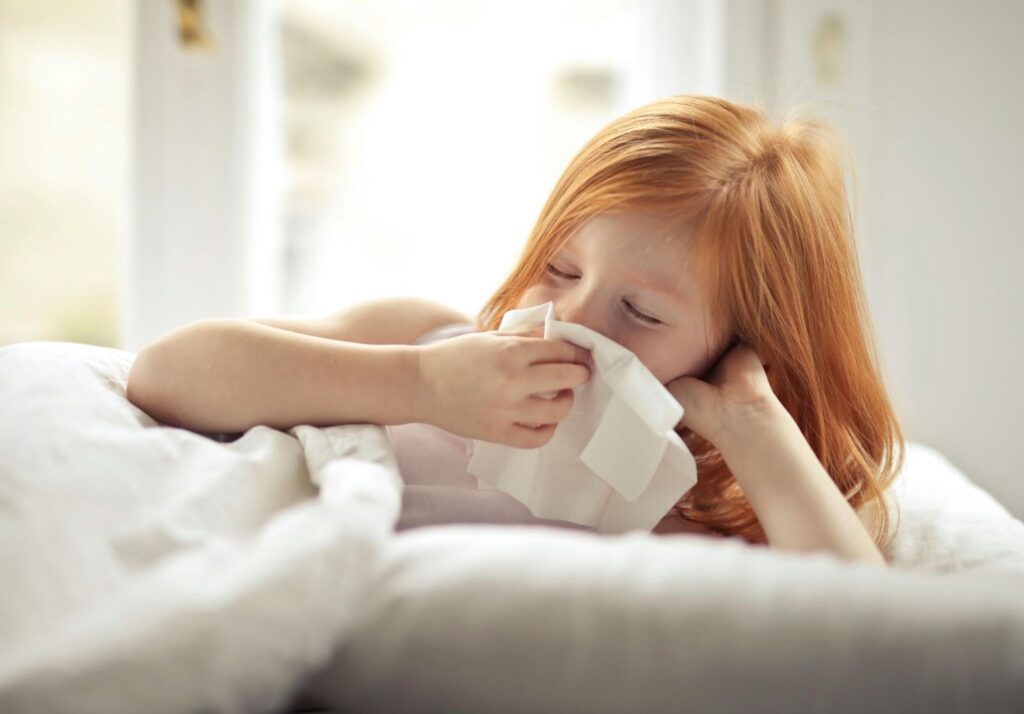
1. Symptom-Based Differences
While it can be tricky, certain signs can hint whether an infection is viral or bacterial:
- Fever pattern: Viral infections usually cause a mild or moderate fever, while bacterial infections often bring a high, persistent fever.
- Cough type: Clear or dry coughs are more typical of viral infections, whereas thick yellow or green mucus may indicate bacteria.
- Sore throat: A red, irritated throat often points to a virus, while white patches on the tonsils suggest a bacterial cause.
- Duration of illness: Viral illnesses usually resolve within a week, but bacterial infections can linger or worsen if untreated.
2. When to Seek Medical Help
Watch for red flag symptoms such as difficulty breathing, persistent high fever, or worsening condition after 10 days. Visiting a pediatrician at Vivasvan Parekh Child Care Clinic, Mumbai ensures accurate diagnosis and timely treatment, helping your child recover safely from common infections in children.
Infection Prevention for Kids at Home and School
1. Hygiene Practices
Good habits go a long way in infection prevention for kids. Encourage frequent handwashing with soap, covering the mouth and nose while coughing or sneezing, and avoiding touching the face. Even small routines make a big difference in reducing germs.
2. Vaccination
Vaccines protect children from serious illnesses like flu, measles, and pneumonia. Staying up to date ensures your child’s immune system is ready to fight common infections.
3. School Precautions
In Mumbai schools, simple steps can curb the spread of infections. Teach children to avoid sharing food or drinks, stay home when unwell, and follow classrooms with good ventilation and cleanliness. These Mumbai school infection precautions help keep both kids and teachers safe.
4. Strengthening Immunity
A strong immune system is the first defense. Balanced meals, adequate sleep, regular exercise, and managing stress support overall health and reduce the risk of frequent infections.
Treatment Approaches
Viral Infections
Most viral infections in children improve with simple care at home. Ensuring plenty of rest, fluids, and fever management is usually enough. In select cases, antiviral medications may be prescribed, but these are rare and only given when necessary. In Mumbai, viral fevers often peak during monsoon and winter, making symptom monitoring important.
Bacterial Infections
Bacterial infections need targeted treatment. Antibiotics prescribed by a pediatrician for Mumbai infection treatment help your child recover safely. It’s important to avoid self-medicating or stopping antibiotics early, as misuse can lead to resistance. Understanding the difference between viral vs bacterial infection in children ensures the right treatment and a faster recovery.
Conclusion
Viral and bacterial infections in children are common but usually manageable with awareness and timely care. Early detection, proper treatment, and simple steps in infection prevention for kids make a big difference. Consulting a pediatrician at Vivasvan Parekh Child Care Clinic, Mumbai ensures accurate diagnosis and safe management of common childhood diseases in India. Encouraging good hygiene at home and following Mumbai school infection precautions helps reduce the spread and keeps children healthy, happy, and thriving.
Keep your child safe and healthy by consulting the experts at Vivasvan Parekh Child Care Clinic, Mumbai for personalized guidance on preventing and managing infections.
FAQs
- Can viral infections in children be treated with antibiotics?
No, antibiotics only treat bacterial infections. Viral infections require symptom management. - How do I know if my child has a bacterial or viral infection?
Observe fever patterns, cough type, sore throat, and duration; consult a child fever doctor in Mumbai for diagnosis. - What are the most common infections in children in India?
Viral: cold, flu, chickenpox; Bacterial: strep throat, pneumonia, UTI. - How can I prevent my child from getting infections at school?
Regular handwashing, avoiding sharing personal items, and following Mumbai school infection precautions. - When should I visit a pediatrician for my child’s infection?
If fever persists >10 days, cough is severe, difficulty breathing, or if symptoms worsen.