Kissing a newborn feels instinctive. For many parents and relatives, it is the first and most natural expression of affection. A gentle kiss on the cheek or forehead seems harmless, even comforting.
However, what feels like a loving gesture can expose a newborn to serious health risks. Studies indicate that more than 50% of parents allow friends or relatives to kiss their baby, often without fully understanding the potential consequences. Infants under three months have immature immune systems, making them far more vulnerable to viral infections and significantly more likely to require hospitalization if exposed.
This raises an important question: Is it safe to kiss a baby?
At Vivasvan Parekh Child Care Clinic, concerns related to preventable newborn infections are frequently addressed during early consultations. This article explains the medical risks associated with kissing a newborn, outlines evidence based safety practices, and helps parents make informed decisions that prioritize their baby’s health.
Curious to know more? Watch this quick Instagram reel:
Why Newborns Are More Vulnerable Than You Think
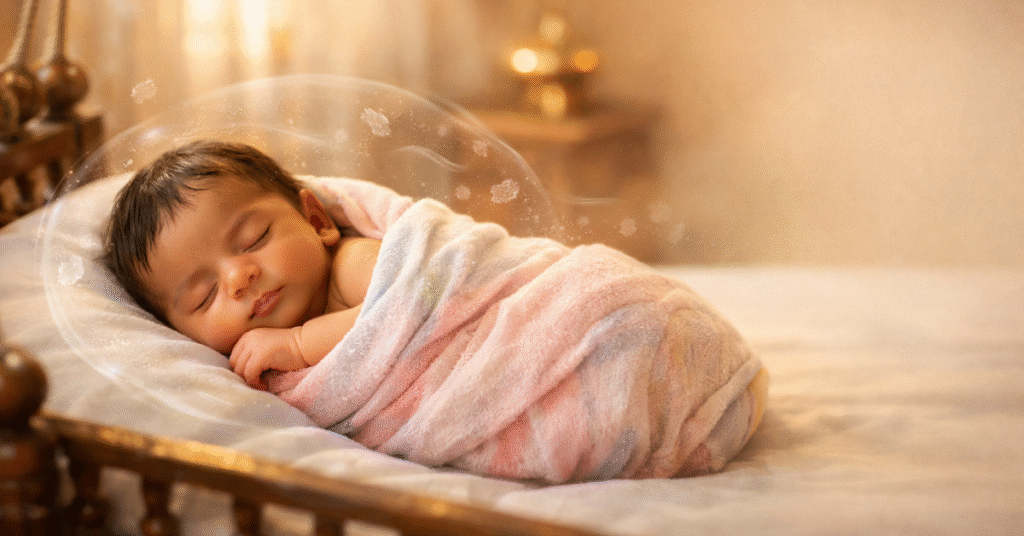
Newborn babies are not simply smaller versions of older children. Their immune systems are still developing. Although they receive some protective antibodies from the mother, this immunity is partial and temporary.
During the first two to three months of life:
• Infection fighting white blood cells are immature
• Immune memory is not yet established
• The body’s inflammatory responses are less regulated
• The blood brain barrier is still developing
The blood brain barrier acts as a protective filter between the bloodstream and the brain. In newborns, this barrier is not fully mature. As a result, certain infections can spread more easily to the brain compared to older children or adults.
Infections that cause a mild cold in an adult can escalate rapidly in a newborn, sometimes within hours.
In Mumbai, a recent case involved a three week old infant who developed high fever and lethargy two days after a family gathering where multiple visitors had held and kissed the baby. What appeared to be harmless affection resulted in hospitalization for suspected viral infection. Fortunately, the baby recovered, but not all cases have favorable outcomes.
The Hidden Risks of Kissing a Newborn
When discussing newborn infection risks from kissing, many parents are surprised by how serious the consequences can be. What appears to be a harmless gesture may expose a baby to viruses and bacteria that their body is not prepared to fight.
1. Neonatal Herpes HSV 1
The herpes simplex virus type 1 is extremely common in adults. Many people carry the virus without knowing it. It spreads through saliva, even when there is no visible cold sore.
In adults, it may cause a small blister or no symptoms at all. In newborns, the impact can be severe.
Neonatal herpes can affect:
• Skin and eyes
• The brain
• Internal organs such as the liver and lungs
If the virus spreads through the bloodstream, it can lead to organ failure or death. Babies under four weeks of age are at the highest risk. This remains one of the most serious newborn infection risks from kissing.
2. RSV and Respiratory Viruses
Respiratory Syncytial Virus RSV, influenza, and other common cold viruses circulate widely, especially during monsoon and winter seasons in India. The same virus that causes mild discomfort in adults can become severe in newborns.
| Infection Impact | In Adults | In Newborns |
| Common Symptoms | Runny nose, mild cough, low grade fever | Severe breathing difficulty, high fever |
| Complications | Usually self limiting | Pneumonia, feeding difficulty |
| Medical Care | Rarely requires hospitalization | Often requires hospital admission and monitoring |
| Transmission Risk | May spread infection before symptoms appear | Highly vulnerable due to immature immune system |
3. Bacterial Infections
Certain bacteria such as Group B Streptococcus and E coli may be harmless in healthy adults. In newborns, however, they can cause serious conditions such as:
• Sepsis
• Meningitis
• Bloodstream infections
Because a newborn’s immune response is immature, infections can progress rapidly and become life threatening within a short period.
Is It Safe to Kiss a Baby in the Early Months?
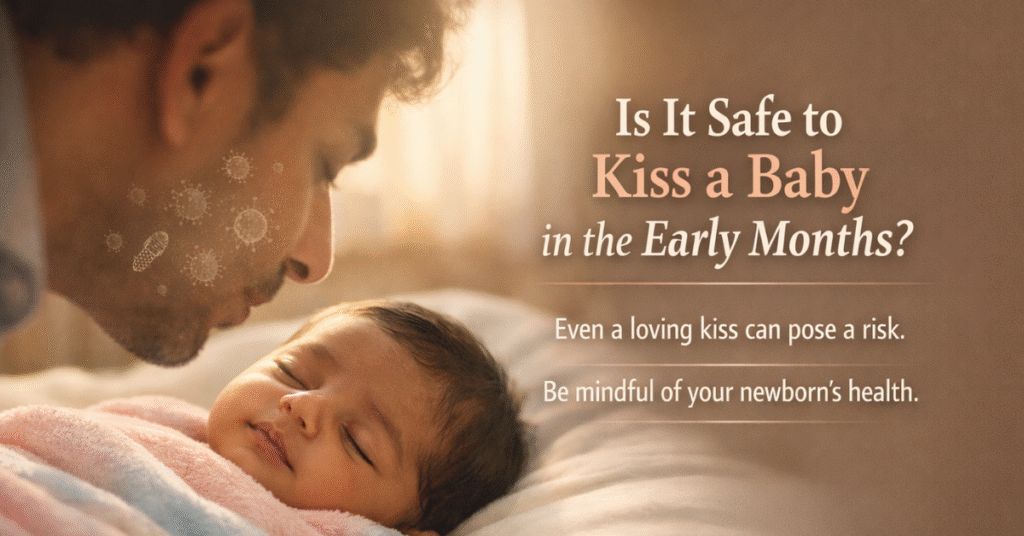
This is one of the most common and important questions parents ask. In the first two to three months of life, and especially during the first four weeks, it is safest to avoid kissing a newborn altogether. This includes kissing on the mouth, cheeks, hands, head, or any part of the body. Even a brief kiss on the forehead can transfer saliva and viruses that a newborn’s immune system may not be able to handle.
For parents who are healthy and free from active infections, the risk may be lower, but caution is still strongly advised. If a parent has a cold sore, fever, cough, or any recent illness, kissing should be completely avoided until full recovery.
The risks of kissing a newborn are not theoretical. They are medically documented and can lead to serious infections during a period when a baby is most vulnerable.
Newborn Health and Visitor Precautions Every Family Should Follow
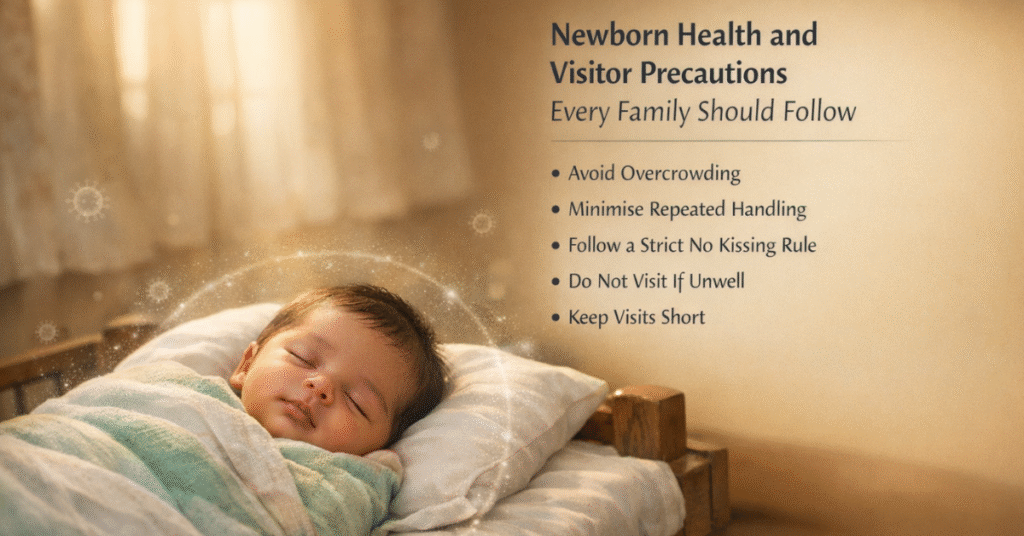
Whether visiting a newborn or receiving visitors at home, clear precautions are essential during the first few weeks of life. Newborn immunity is low, and infections can spread quickly in close indoor settings. Simple, consistent rules significantly reduce risk.
1. Avoid Overcrowding
A newborn’s immune system is still developing, making them highly susceptible to infections. Avoid overcrowding the room. Limit visits to a maximum of two or three people at a time, especially in smaller Mumbai apartments where ventilation may be limited. Large gatherings, naming ceremonies, or celebrations are best postponed during the early weeks.
2. Minimise Repeated Handling
Avoid passing the baby from person to person. Repeated handling increases exposure to germs. If someone needs to hold the baby, ensure proper handwashing with soap and water beforehand. When available, soap and water should be preferred over hand sanitiser. Handwashing remains the most effective infection prevention measure.
3. Follow a Strict No Kissing Rule
Do not kiss the baby on the face or anywhere on the body. Saliva can transfer viruses and bacteria that pose serious risks to newborns. If wearing lipstick or makeup, avoid direct contact with the baby’s skin, as cosmetics may cause irritation or allergic reactions.
4. Do Not Visit If Unwell
Even mild symptoms such as sore throat, cough, nasal congestion, or low grade fever are valid reasons to postpone a visit. Visitors with active cold sores must avoid direct contact entirely. Preventing exposure is far safer than treating infection later.
5. Keep Visits Short
Short visits of 20 to 30 minutes are ideal. Prolonged interactions can overstimulate the baby and exhaust parents. Newborns require frequent feeding and uninterrupted sleep for healthy growth and recovery.
Setting Boundaries Without Feeling Guilty
In many Indian families, setting limits around a newborn can feel uncomfortable. Saying no to elders or close relatives may seem disrespectful or overly cautious. However, protecting a newborn’s health is not an overreaction. It is responsible parenting based on medical evidence.
Clear and calm communication makes a difference. Simple, respectful statements are often enough:
• “The doctor has advised us to avoid kissing during the first few months.”
• “We are being extra cautious while the baby’s immunity develops.”
• “We are limiting handling to prevent infections.”
When boundaries are framed as medical guidance rather than personal preference, most family members understand and cooperate. Prioritizing a newborn’s safety should never be a source of guilt.
Safe Ways to Show Love Without Risk
Affection does not have to involve kissing.
Safer alternatives include:
- Gentle stroking of the back
- Soft talking and singing
- Holding the baby after proper handwashing
- Sitting close and bonding through eye contact
Love can be expressed through care, presence, and protection.
Final Thoughts: Protection Is the Purest Form of Love
The instinct to kiss a newborn comes from affection. However, newborn infection risks from kissing are real and medically significant.
The first few months of life are a critical window. A baby’s immune system and protective barriers are still maturing. What feels harmless to an adult can escalate quickly into a medical emergency for an infant.
Newborn health and visitor precautions are not about creating emotional distance. They are about creating physical safety. Limiting visitors, enforcing strict hand hygiene, avoiding kissing, and confidently setting boundaries can significantly reduce preventable infections.
If there are concerns about immunity, visitor precautions, or infection prevention, personalised medical guidance is important. For expert newborn care advice in Mumbai, consult the team at Vivasvan Parekh Child Care Clinic. Early precautions today help ensure a healthier tomorrow.
Frequently Asked Questions
1. Is it safe to kiss a baby in the first few weeks after birth?
No. It is generally not safe to kiss a baby during the first few weeks of life. A newborn’s immune system is immature, and even mild viral infections in adults can cause severe illness in infants. The risks of kissing a newborn include transmission of herpes simplex virus, RSV, influenza, and bacterial infections that may lead to sepsis or meningitis. Extra caution is especially important in the first four weeks.
2. What are the risks of kissing a newborn baby?
The risks of kissing a newborn include neonatal herpes HSV 1, respiratory infections such as RSV and influenza, bacterial infections like Group B Streptococcus, and serious complications including sepsis and meningitis. Because newborns cannot mount a strong immune response, infections may progress rapidly and become life threatening.
3. Can parents kiss their own newborn safely?
Healthy parents may carry lower risk compared to visitors, but caution is still necessary. If a parent has a cold sore, fever, cough, or recent illness, kissing should be avoided completely. Even without visible symptoms, certain viruses can spread through saliva. In the early weeks, avoiding face and mouth contact is the safest approach.
4. How long should visitors avoid kissing a newborn?
The highest risk period is the first four weeks of life. However, caution is recommended during the first two to three months while the baby’s immune system continues to mature. Following newborn health and visitor precautions during this period significantly reduces infection risk.
5. What precautions should visitors follow around a newborn?
Visitors should avoid kissing the baby anywhere on the body, wash hands thoroughly with soap and water before contact, postpone visits if unwell even with mild symptoms, avoid overcrowding the room, limit repeated handling, and keep visits short. These simple measures help reduce newborn infection risks and protect the baby during a vulnerable stage of development.
Disclaimer
This article is for general informational purposes only and is not a substitute for professional medical advice, diagnosis, or treatment. For any such concerns, please visit Vivasvan Parekh Child Care Clinic.

Vivasvan Parekh
As a pediatrician and child specialist based in Mumbai, I bring over 15 years of experience in delivering comprehensive child healthcare. I hold an MD in Pediatrics and practice in Ghatkopar East and Chembur, where I focus on preventive and evidence-based pediatric care. My areas of expertise include vaccinations, newborn care, growth and development monitoring, and the treatment of common and complex childhood illnesses. I am committed to supporting parents with practical, reliable guidance on child health, nutrition, and overall well-being. Through my blog, I share trusted insights on pediatric health, helping parents make informed decisions about their child’s care and development.