
Quick Answer: Yes, it’s safe and standard practice for babies to receive several vaccines in a single visit, including combination vaccines like the hexavalent (6-in-1) shot. National schedules, including India’s, are built around giving multiple vaccines together.
- A baby’s immune system responds to far more germs every single day than the total antigens in all scheduled vaccines combined
- Combination vaccines like pentavalent and hexavalent reduce the number of separate injections needed at each visit
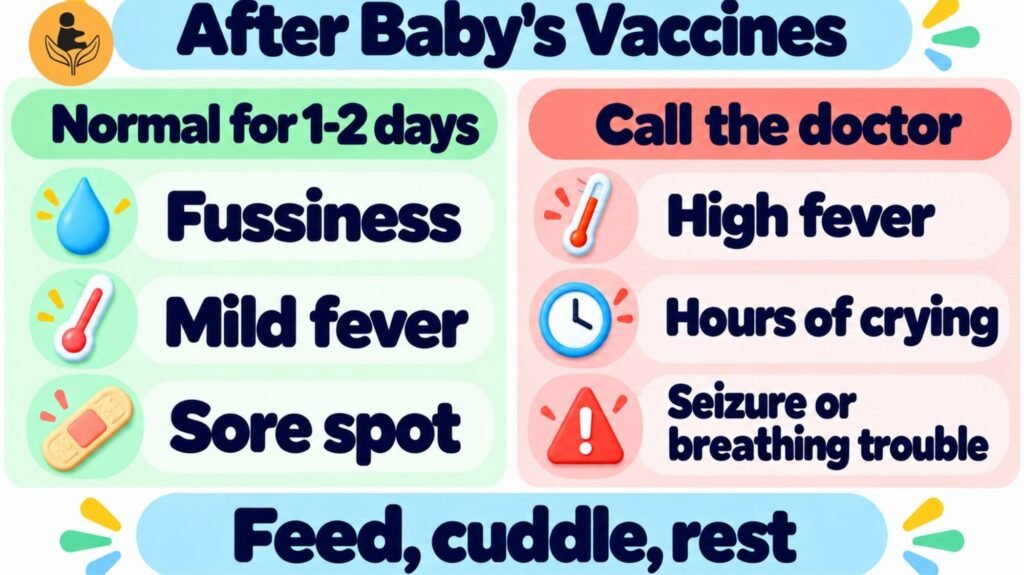
- Mild fever, fussiness and soreness at the injection site for a day or two are common and expected, not a sign of a problem
- Delaying or splitting vaccines leaves a baby unprotected for longer, without any proven safety benefit
- Seek medical attention for high or persistent fever, inconsolable crying for hours, seizures, or difficulty breathing after vaccination
The 10-Week Visit Worry

A parent at the 10-week vaccination visit once paused at the sight of the nurse preparing more than one syringe and asked, quite reasonably, “does she really need all of these today?” It’s one of the most common questions at a vaccination visit, and an understandable one, watching a baby receive several injections at once can feel like a lot, even when it’s exactly what’s recommended.
The short answer is that giving multiple vaccines together is not just safe, it’s the standard, deliberately designed approach, and combination vaccines exist specifically to reduce the number of injections a baby needs, not increase them.
Why Do Babies Get Several Vaccines at Once?
The early months of life are when babies are at the highest risk of serious infections, simply because their immune systems haven’t yet encountered these diseases or built protection against them. Vaccination schedules, including the IAP schedule followed in India, are timed deliberately to close that window of vulnerability as early as possible.
Giving several vaccines in one visit also means fewer total clinic visits, less cumulative discomfort for the baby, and a lower chance that a family misses or delays a dose simply because of scheduling difficulty. This isn’t a matter of convenience overriding safety, it’s the approach that keeps babies protected on time.
What Are Combination Vaccines?
Combination vaccines bundle protection against several diseases into a single injection, rather than requiring a separate shot for each one. Two examples come up often in Indian vaccination schedules:
- Pentavalent (5-in-1) vaccine, protects against five diseases: diphtheria, pertussis (whooping cough), tetanus, Hepatitis B, and Haemophilus influenzae type b (Hib)
- Hexavalent (6-in-1) vaccine, protects against the same five diseases as the pentavalent vaccine, plus polio, in one injection
| Vaccine | Diseases covered | Injections saved |
| Pentavalent (5-in-1) | Diphtheria, pertussis, tetanus, Hepatitis B, Hib | Replaces 4–5 separate shots |
| Hexavalent (6-in-1) | Diphtheria, pertussis, tetanus, Hepatitis B, Hib, Polio | Replaces 5–6 separate shots |
The MMR vaccine (measles, mumps, rubella) is another familiar example of this same approach, bundling three diseases into one shot given later in the schedule. A paediatrician will advise which combination vaccine fits a baby’s specific schedule, since availability and sequencing can vary.
Can a Baby’s Immune System Handle Multiple Vaccines?
Yes. A baby’s immune system is already working constantly, fighting off the ordinary bacteria and viruses encountered just from daily life, long before any vaccine is given. The total number of antigens (the specific components that trigger an immune response) across every vaccine on the full childhood schedule is a tiny fraction of what a baby’s immune system handles routinely just existing in the world.
Reviews by IAP, WHO, and CDC have specifically looked at whether giving multiple vaccines together poses any added safety risk compared to spacing them out, and have found no evidence of increased harm from combining them. This is part of why combination vaccines and same-day multiple injections remain the standard recommendation across these bodies rather than an exception.
Common Side Effects and What Is Normal
After vaccination, it’s common, and expected, for a baby to show some of the following for a day or two:
- Fussiness or mild irritability
- Low-grade fever
- Soreness, redness, or mild swelling at the injection site
- Slightly more sleepiness than usual
These are signs that the immune system is responding, not signs that something has gone wrong. Comfort measures that usually help include regular feeding, extra cuddling, and a cool, damp cloth over the injection site. Any fever-reducing medicine should only be given on the paediatrician’s specific advice, with the dose based on the baby’s weight, never estimated at home.
When to Call the Doctor After Vaccination
Most post-vaccination symptoms settle within a day or two without intervention. It’s worth calling the doctor promptly if any of the following appear:
- A high fever, or one that persists beyond a couple of days
- Inconsolable crying that continues for several hours
- A seizure
- Difficulty breathing or swelling of the face or throat
- Severe swelling at the injection site
- A widespread rash
- Unusual drowsiness or the baby being very difficult to wake
These reactions are uncommon, but knowing them in advance means a parent can act quickly rather than waiting to see if things improve on their own.
Can We Split or Delay the Shots?
Spacing out vaccines that are recommended together, or delaying them, leaves a baby unprotected against those diseases for longer, without any demonstrated safety benefit to offset that gap. The approach can occasionally be adjusted by the paediatrician for specific medical reasons, such as a baby recovering from a significant illness or having a particular medical condition that calls for a modified schedule. These are individual clinical decisions, not a general recommendation to delay routine vaccination. To help parents decide better, you can also read our detailed guide on oral vs injectable vaccines.
Vaccination Day Tips

A few small preparations make vaccination day go more smoothly for both baby and parent:
- Bring the vaccination card so the record stays accurate and complete.
- Feed the baby shortly before the appointment.
- Stay at the clinic for the observation period afterward, as advised.
- Plan for a quieter rest of the day at home, in case the baby is a little more unsettled than usual.
Conclusion
Multiple vaccines in one visit aren’t a shortcut that compromises safety, they’re a deliberate, well-studied way of protecting a baby as early and as fully as possible, with fewer injections overall than giving each vaccine separately would require. The mild fussiness or low fever that can follow is a normal, short-lived response, not a reason for alarm.
For questions about a baby’s specific vaccination schedule, or any symptoms after a shot that don’t feel right, it’s always worth checking in directly. Book a vaccination visit with Dr. Vivasvan Parekh at Child Care Clinic Mumbai for personalised guidance.
Frequently Asked Questions
Yes. Studies and national schedules, including India’s, support giving several vaccines together in one visit. It protects babies on time while reducing the total number of clinic visits and injections needed.
No. A baby’s immune system handles far more germs every day through ordinary daily life than the total antigens present in all scheduled vaccines combined.
Pentavalent protects against five diseases in one shot; hexavalent protects against the same five plus polio, in a single injection. The paediatrician will advise which fits a baby’s specific schedule.
Mild fever and fussiness for a day or two are common after vaccination. Seek medical attention if the fever is high, lasts longer than expected, or the baby seems unusually unwell.
A mild cold usually isn’t a reason to delay vaccination. Moderate or more severe illness may call for rescheduling, it’s best to call the clinic to check before the visit.
Medically reviewed by Dr. Vivasvan Parekh, Child Care Clinic Mumbai.

Vivasvan Parekh
As a pediatrician and child specialist based in Mumbai, I bring over 15 years of experience in delivering comprehensive child healthcare. I hold an MD in Pediatrics and practice in Ghatkopar East and Chembur, where I focus on preventive and evidence-based pediatric care. My areas of expertise include vaccinations, newborn care, growth and development monitoring, and the treatment of common and complex childhood illnesses. I am committed to supporting parents with practical, reliable guidance on child health, nutrition, and overall well-being. Through my blog, I share trusted insights on pediatric health, helping parents make informed decisions about their child’s care and development.