Welcoming a newborn is one of life’s most joyful milestones. The excitement is natural, and loved ones are eager to visit. However, in the early weeks, a baby’s health and safety must take priority. In India, infants under three months have immature immune systems, making them highly vulnerable to infections such as the common cold, flu, RSV, and whooping cough. Even well-intentioned visits can unintentionally expose a newborn to harmful germs.
At Vivasvan Parekh Child Care Clinic, many early consultations involve preventing avoidable infections during this sensitive period.
This guide outlines practical, medically sound newborn visitor rules and essential newborn safety tips for visitors, helping families create an environment that is both warm and protected. Safe visits allow loved ones to celebrate without compromising a newborn’s delicate health.
Take a look at this helpful Instagram reel:
Understanding a Newborn’s Vulnerability
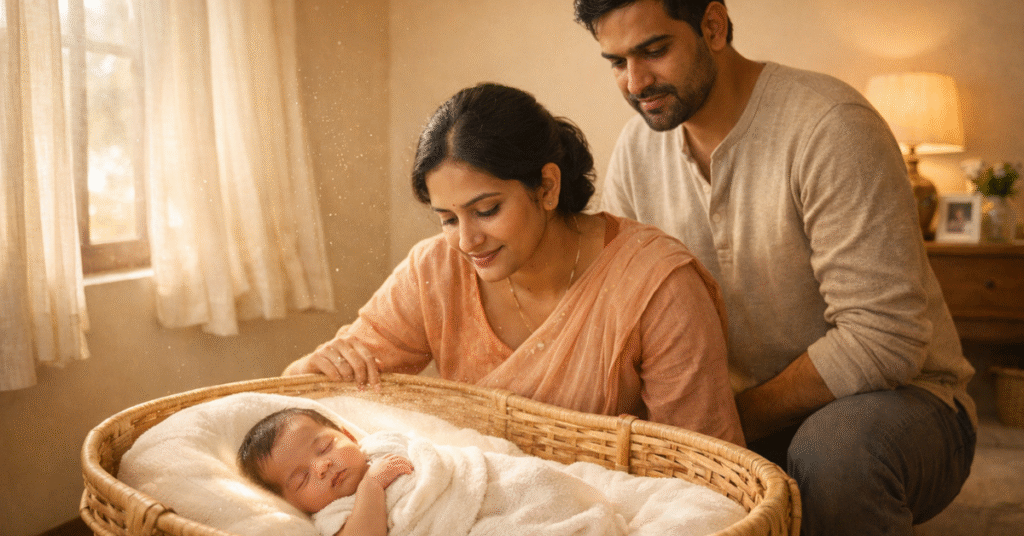
Newborns are not miniature adults. Their immune systems are still developing, and their skin barrier is delicate. This makes them far more susceptible to infections. Even common germs carried on hands, clothing, or respiratory droplets can trigger illness in the first few weeks of life.
A real-scenario example highlights this risk. A two-week-old infant developed mild respiratory distress after multiple visitors handled the baby without proper hand hygiene. The illness was manageable, but it could have been avoided with simple precautions. Situations like this reinforce why clear newborn visitor rules and strict hygiene practices are essential.
Key Points to Remember
- Avoid overcrowding the room. Limit visits to two or three people at a time, especially in small homes or hospital rooms.
- Respect the baby’s sleep and feeding schedule. Frequent interruptions can stress both the infant and the parents.
- Be mindful of skin sensitivity. Avoid direct contact if wearing makeup, lipstick, or strong fragrances, as newborn skin reacts easily to irritants.
Small preventive steps create a safer environment and allow families to enjoy visits without compromising the baby’s health.
Pre Visit Guidelines for Friends and Family

Thoughtful planning before a visit significantly reduces infection risk and helps parents feel supported rather than overwhelmed. Clear communication and basic health precautions form the foundation of safe newborn visits.
- Plan Ahead
Always call or message parents before visiting to schedule a convenient time. The early postpartum period is physically and emotionally demanding. Many Indian families observe traditional rest periods lasting around 40 days. Respecting these customs while aligning with medical safety guidelines ensures that visits remain both culturally sensitive and health conscious.
- Health Checks and Vaccinations
Visitors should take responsibility for their own health status before meeting a newborn. They should be completely free of fever, cough, cold, sore throat, stomach infection, or any contagious illness. Even mild symptoms can pose risks to infants.
Vaccinations should be up to date, particularly influenza, Tdap to protect against whooping cough, and COVID 19 where recommended. These vaccines reduce the likelihood of transmitting serious respiratory infections to vulnerable babies.
Avoid bringing young children to newborn visits. School going children often carry viral infections, sometimes without obvious symptoms.
In compact urban Indian homes, limiting the number of visitors at a time further reduces the risk of airborne infections. Small gatherings are safer, calmer, and more manageable for both the baby and parents.
Safe Practices During the Visit
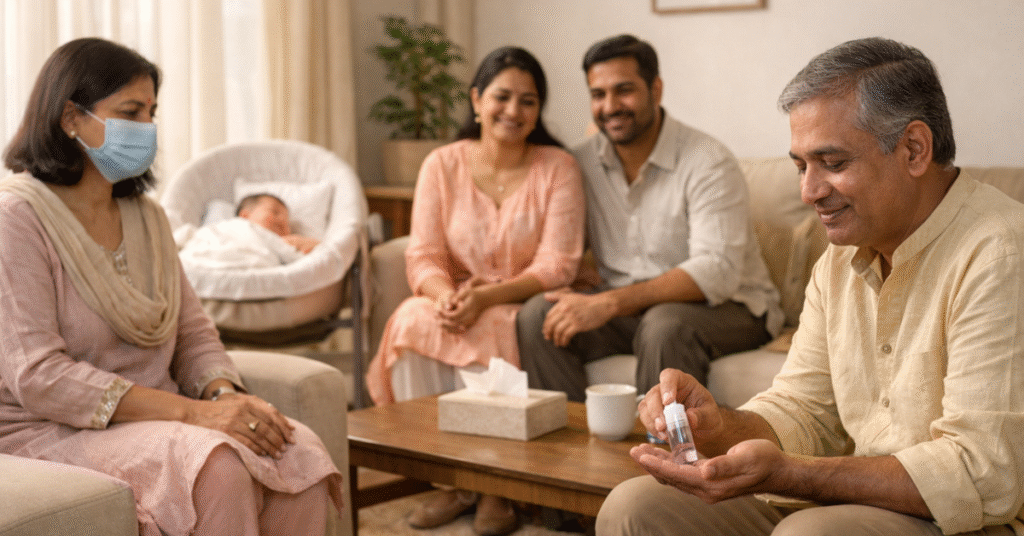
Safe newborn visits depend on simple but strict precautions. Hygiene, respectful handling, and time limits protect the baby while keeping the interaction positive for everyone involved.
- Hand Hygiene and Protective Measures
Wash hands thoroughly with soap and water before touching the baby. This is more effective than relying only on hand sanitizers, especially after travel or outdoor exposure.
Avoid kissing the baby, including cheeks, hands, or lips. Viruses such as herpes simplex and other respiratory infections can be dangerous, even life threatening, in newborns.
Keep makeup, lipstick, and strong fragrances away from the baby’s skin to prevent irritation or allergic reactions.
If parents request masks, comply without hesitation. Mask use during early infancy adds an extra layer of protection, particularly during flu season or in high pollution urban settings.
- Handling the Baby
Hold the baby only if the parents invite you to do so. Not every newborn visit requires physical handling.
When holding the baby, use both hands and properly support the head and neck. Sudden movements can strain the baby’s developing muscles.
Avoid holding hot beverages, wearing loose jewelry, or carrying items that may accidentally scratch or spill near the infant.
Return the baby promptly if crying, showing feeding cues, or appearing overstimulated. Respecting parental signals is critical.
In one consultation, a visitor insisted on holding a distressed newborn despite the parents’ request, leading to unnecessary stress. Situations like this are preventable when visitors prioritize the baby’s comfort over social expectations.
- Duration of Visit
Keep visits short, ideally 20 to 30 minutes. Prolonged interactions increase infection exposure and fatigue for both parents and baby.
Observe cues carefully. If the baby becomes fussy or the parents appear tired, it is appropriate to conclude the visit. Short, considerate interactions leave a positive impression and support newborn safety.
Being a Supportive Visitor
A helpful visit focuses on easing the parents’ workload, not just spending time with the baby. Small, practical gestures often matter most.
- Offer Practical Help
Bring a simple meal or groceries. Help with dishes, laundry, or light tidying. Spend time with older siblings so parents can rest. Even serving the food you brought or clearing up before leaving is genuinely appreciated.
- Provide Emotional Support
Ask parents how they are doing, not just about the baby. Avoid unsolicited advice on feeding or sleep routines. Respect photo privacy and never post pictures without permission.
Supportive visits are brief, respectful, and centered on making life easier for the family.
Conclusion
Visiting a newborn is a privilege, not a right. Following newborn visitor rules, respecting boundaries, and prioritizing hygiene ensures a safe, happy, and stress-free experience for everyone. Whether you’re a friend, relative, or extended family member, your thoughtful approach protects the baby’s health and supports parents during this crucial early stage.
Plan your visit with care, follow these guidelines, and make your time with a newborn meaningful and safe. For more guidance or personalized advice, consult a pediatrician at Vivasvan Child Care Clinic.
Frequently Asked Questions
1. What are the most important rules when visiting a newborn?
Limit the number of visitors, wash hands thoroughly before contact, avoid kissing the baby, respect feeding and sleep routines, and ensure vaccinations are up to date.
2. How many people should visit a newborn at one time?
Ideally two to three visitors at a time, particularly in small homes or hospital rooms, to reduce the risk of airborne infections and overstimulation.
3. Can I kiss or touch the baby during my visit?
Avoid kissing the baby, especially on the face or lips, as infections can spread easily. Hold the baby only if the parents invite you to do so.
4. Do visitors need to be vaccinated before meeting a newborn?
Yes. Influenza, Tdap to protect against whooping cough, and COVID 19 vaccinations should be current to minimize infection risk.
5. How long should a visit to a newborn last?
Keep visits short, ideally 20 to 30 minutes. Always be mindful of the baby’s sleep and feeding cues, as well as the parents’ need for rest.
Disclaimer
This article is for general informational purposes only and is not a substitute for professional medical advice, diagnosis, or treatment. For any concerns regarding your child’s health, please consult Vivasvan Parekh Child Care Clinic.

Vivasvan Parekh
As a pediatrician and child specialist based in Mumbai, I bring over 15 years of experience in delivering comprehensive child healthcare. I hold an MD in Pediatrics and practice in Ghatkopar East and Chembur, where I focus on preventive and evidence-based pediatric care. My areas of expertise include vaccinations, newborn care, growth and development monitoring, and the treatment of common and complex childhood illnesses. I am committed to supporting parents with practical, reliable guidance on child health, nutrition, and overall well-being. Through my blog, I share trusted insights on pediatric health, helping parents make informed decisions about their child’s care and development.