Pica is a condition where children repeatedly eat non-food items like sand, chalk, or paper, and it often worries parents. In many cases, this behavior is linked to iron deficiency rather than just curiosity or habit. Along with unusual cravings, children may show signs like fatigue, pale skin, or low appetite. The good news is that once the underlying cause, especially low iron, is treated, the behavior usually improves. Early recognition is important to avoid risks like infections or digestive issues. With proper nutrition, medical guidance, and gentle supervision, most children return to healthy eating habits naturally.
It often starts with a surprising moment. A child tries to eat sand at the playground, chews on chalk in class, or picks at wall paint. For many parents, the reaction is confusion and concern. Why would a child want to eat something that is clearly not food?
In pediatric practice, this behavior is often linked to a condition known as pica disorder in kids.
Pica refers to a persistent urge to eat non food substances such as soil, paper, chalk, sand, or paint flakes. While it may seem unusual, it is not extremely rare. Research suggests that up to 5 percent of children may show pica behaviors at some point during childhood. In many cases it is temporary, but when it continues beyond normal curiosity, it may signal an underlying health issue.
One of the most common medical causes seen in clinics is iron deficiency causing pica. When iron levels drop, children may develop cravings for non food items. Parents often assume the problem is related to calcium deficiency, but iron deficiency anemia is far more commonly linked to pica. Certain dietary habits can also worsen low iron levels in children. Parents can learn more in this detailed guide on how tea can contribute to iron deficiency in children by blocking iron absorption.
Understanding the symptoms of pica in children, its causes, and when to seek medical advice can help prevent complications and guide children back toward healthy eating habits.
You can also watch the related Instagram reel here:
What Is Pica Disorder in Kids?
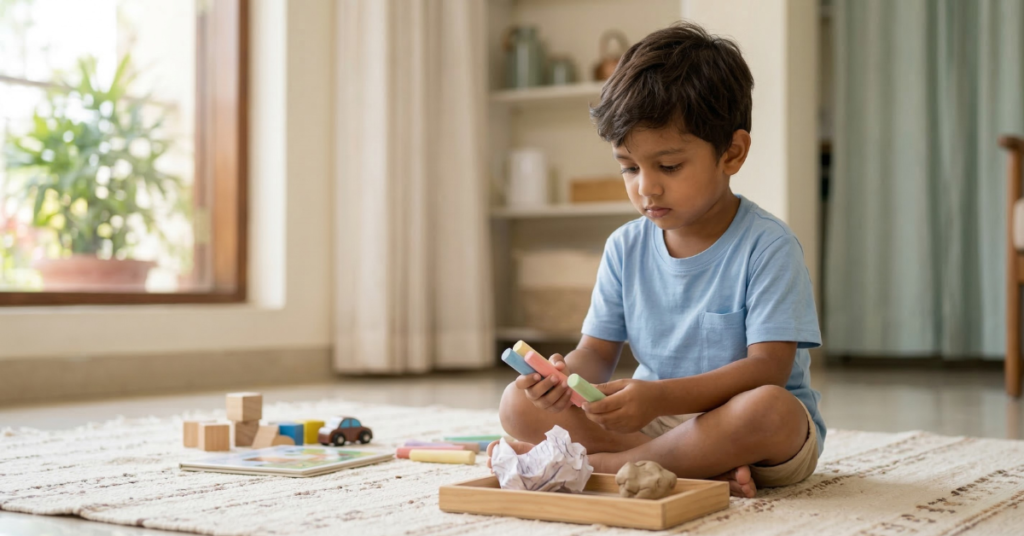
Pica is an eating disorder in which a child develops a persistent urge to eat substances that have no nutritional value. Doctors diagnose pica when a child repeatedly consumes non food items for at least one month, and the behavior is considered inappropriate for the child’s developmental age.
It is important to understand that not all mouthing behavior is abnormal. Babies under two years naturally explore their surroundings by putting objects in their mouths, which is a normal part of development. Concern arises when older toddlers or school age children continue to eat non food items, as this may indicate underlying pica disorder symptoms.
Real Pediatric Consultation Scenario
In pediatric clinics, especially in busy urban settings such as Mumbai, parents often describe similar patterns during consultations. A toddler may repeatedly eat sand while playing in the park. Another child may scrape powder from painted walls and try to swallow it. Some preschoolers develop a habit of chewing chalk, paper, or other non food materials.
Families frequently assume this behavior is caused by calcium deficiency. However, clinical experience and medical research show that iron deficiency causing pica is far more commonly responsible. Identifying the root cause early allows doctors to address nutritional deficiencies and help children return to healthy eating habits.
Common Pica Symptoms in Children Parents Should Notice
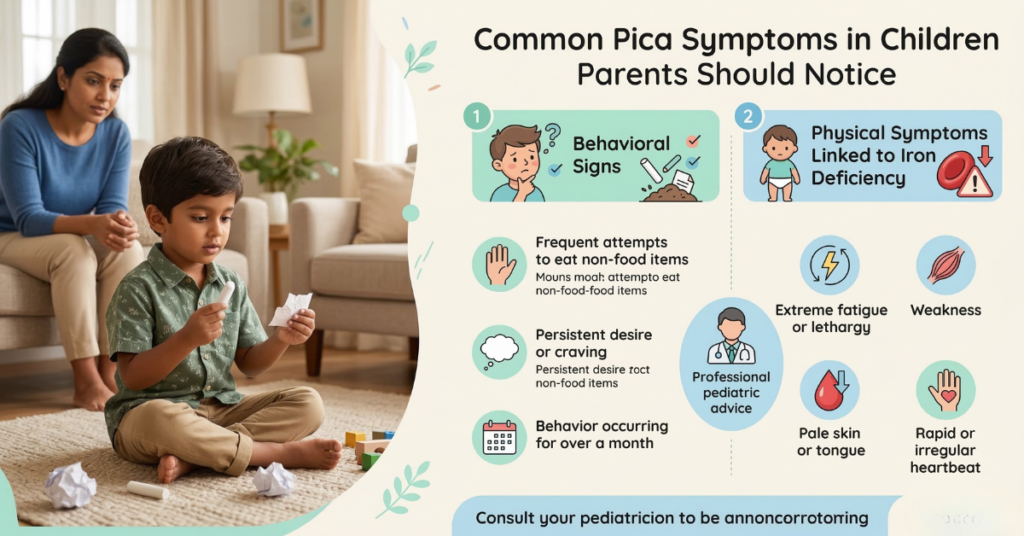
Recognizing pica symptoms in children early is important because the behavior can sometimes lead to health risks if it continues for a long time. Parents usually notice the problem through repeated attempts to eat items that are not food.
Behavioral Signs
Children with pica may develop a habit of eating or chewing non food substances. Common examples include sand or soil from playgrounds, chalk or plaster from walls, paint flakes, clay or mud, pieces of paper or cardboard, ice, or even hair and threads. The key sign is repetition. If a child repeatedly seeks out these items rather than occasionally tasting them out of curiosity, it may indicate pica disorder symptoms.
Physical Symptoms Linked to Iron Deficiency
When iron deficiency causing pica is present, the behavior is often accompanied by other physical symptoms related to low iron levels. Parents may notice fatigue, low energy, pale skin, poor appetite, irritability, slower growth, or frequent infections. These symptoms occur because iron plays a crucial role in oxygen transport, brain development, and immune function.
The encouraging news is that once the underlying nutritional deficiency is identified and treated, many children gradually stop craving non food substances and return to normal eating habits.
Why Iron Deficiency Can Trigger Pica
The Iron–Pica Connection
Pediatric research has consistently found a strong link between iron deficiency causing pica. Although the exact biological mechanism is still being studied, low iron levels appear to influence several important functions in the body.
Iron deficiency may affect:
• Brain chemistry that regulates behavior and cravings
• Appetite control mechanisms
• Sensory responses that influence unusual food cravings
When these systems are affected, some children may develop persistent urges to eat non food substances such as soil, chalk, paper, or ice, which are common pica disorder symptoms.
Common Misconception Among Parents
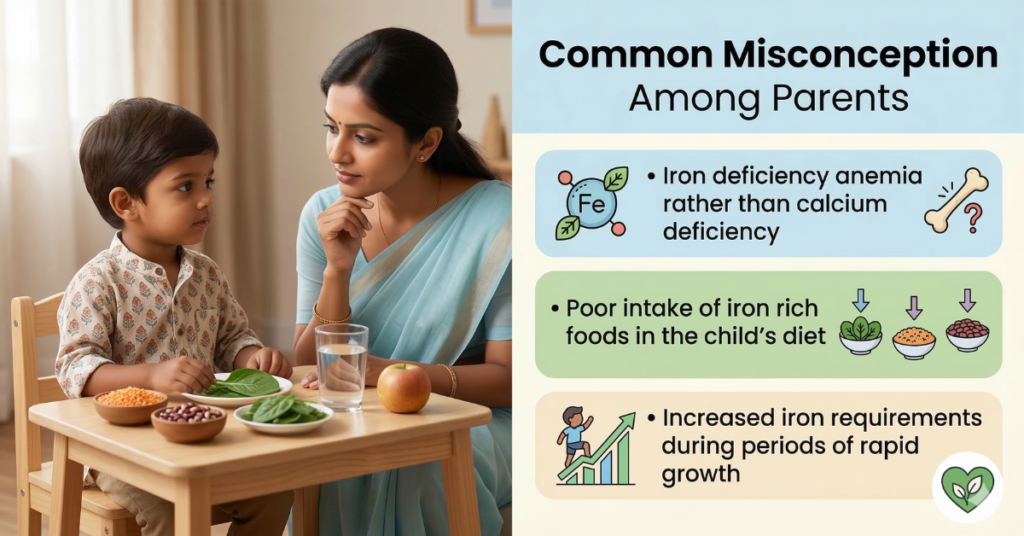
In many households, there is a widespread belief that a child eating chalk or scraping powder from walls indicates calcium deficiency. However, pediatric evaluations often reveal a different cause.
Medical assessments frequently show:
• Iron deficiency anemia rather than calcium deficiency
• Poor intake of iron rich foods in the child’s diet
• Increased iron requirements during periods of rapid growth
Because the symptoms can look similar to other nutritional concerns, proper diagnosis requires blood tests and a medical evaluation to confirm iron levels and identify the underlying cause.
Health Risks of Untreated Pica
When pica disorder symptoms continue without medical evaluation, they can lead to several health complications. Early recognition of pica symptoms in children is important to prevent these risks.
Possible Health Problems:
| Health Risk | How It Happens | Why It Is Dangerous |
| Lead poisoning | Children may ingest paint chips or wall dust containing lead | Lead exposure can affect brain development and cause long term neurological problems |
| Digestive blockages | Swallowing stones, clay, or other hard objects | These substances can block the intestine and may require medical treatment |
| Parasitic infections | Eating soil, sand, or dirt contaminated with parasites | Parasites can cause stomach pain, diarrhea, and nutritional deficiencies |
| Dental damage | Chewing hard substances like chalk or stones | Repeated chewing can damage tooth enamel or cause cracks |
How Pediatricians Diagnose Pica
When parents report pica symptoms in children, pediatricians follow a structured evaluation to understand the behavior and identify any underlying medical causes.
Clinical Evaluation
The first step usually involves a detailed discussion about the child’s habits and development. Doctors typically assess:
• The child’s eating behavior and dietary history
• How often the child consumes non food substances
• The types of substances being eaten
• The child’s developmental stage and overall growth
This evaluation helps determine whether the behavior is normal curiosity or a pattern consistent with pica disorder symptoms.
Medical Tests
If pica is suspected, doctors may recommend certain tests to identify possible medical causes, particularly iron deficiency causing pica. These tests may include:
• Blood tests to check hemoglobin and iron levels
• Screening tests for possible lead exposure
• Stool tests to detect parasites if soil or dirt ingestion is reported
Once the underlying cause is identified, appropriate treatment and dietary guidance can begin to help the child return to healthy eating habits.
Treatment for Pica in Children
Effective treatment for pica symptoms in children focuses on identifying and addressing the underlying cause rather than only stopping the behavior.
Treating Iron Deficiency
When medical evaluation confirms iron deficiency causing pica, pediatricians usually recommend steps to restore healthy iron levels. Treatment may include:
• Iron supplements prescribed by a doctor
• Increasing iron rich foods in the child’s daily diet
• Follow up blood tests to monitor improvement
Common iron rich foods recommended include:
• Green leafy vegetables such as spinach and fenugreek
• Lentils and dals
• Jaggery
• Dates
• Eggs and meat
• Iron fortified cereals
As iron levels gradually improve, pica disorder symptoms often reduce naturally and children return to normal eating habits.
Behavioral Guidance for Parents
Along with medical treatment, simple behavioral strategies can help prevent the habit from continuing. Parents can support their child by:
• Gently stopping the behavior when it is noticed
• Redirecting the child toward another safe activity
• Keeping harmful objects and substances out of reach
• Supervising outdoor play, especially in areas with soil or sand
Calm, consistent guidance combined with proper medical care usually leads to steady improvement.
Prevention Tips for Parents
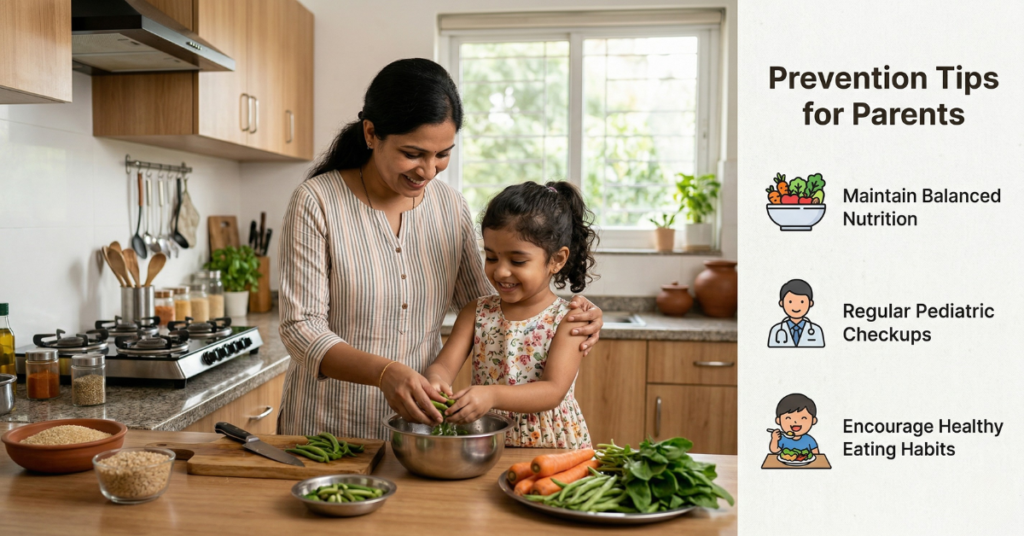
While not all cases can be prevented, certain steps can reduce the likelihood of pica disorder in kids and support healthy growth and development.
Maintain Balanced Nutrition
A well balanced diet plays a key role in preventing nutritional deficiencies that may trigger unusual cravings. Parents should ensure children receive adequate:
• Iron
• Protein
• Essential vitamins and minerals
Including a variety of nutritious foods in daily meals helps support proper growth and reduces the risk of iron deficiency causing pica.
Regular Pediatric Checkups
Routine health visits allow doctors to monitor growth, diet, and overall health. Regular pediatric checkups can help identify iron deficiency early, allowing timely treatment before pica symptoms in children develop or worsen.
Encourage Healthy Eating Habits
Healthy food routines also play an important role in prevention. Parents should focus on:
• Offering balanced meals at regular times
• Encouraging fruits, vegetables, whole grains, and protein rich foods
• Limiting excessive junk foods that replace nutritious options
Consistent healthy eating habits help children develop a positive relationship with food and support long term nutritional health.
When Should Parents See a Doctor?
Parents should seek medical advice if a child repeatedly eats non food items such as soil, chalk, paper, or paint flakes. While occasional curiosity may be normal in younger children, persistent behavior can indicate pica symptoms in children that require medical evaluation. A pediatric consultation becomes especially important if the behavior continues for more than one month, if the child shows signs of anemia such as fatigue, pale skin, or poor appetite, or if there are concerns about lead exposure, infections, or ingestion of harmful substances. Early medical assessment helps identify underlying causes, including iron deficiency causing pica, and ensures that safe and effective treatment can begin promptly.
Parents seeking professional guidance can consult Vivasvan Parekh Child Care Clinic in Chembur, Mumbai, where pediatric evaluation and nutritional assessment help identify the cause of unusual eating behaviors and guide families toward safe treatment and prevention strategies.
Conclusion: Address the Cause, Not Just the Behavior
Seeing a child eat non-food items can be worrying for parents. However, in many cases, pica disorder in kids is linked to iron deficiency rather than behavioral problems.
Recognizing the pica symptoms in children early and consulting a pediatrician allows proper testing and treatment. Once iron deficiency causing pica is corrected, the behavior often improves naturally.
At the same time, gentle guidance from parents helps prevent the habit from continuing.
If your child shows signs of pica disorder symptoms, consult a pediatrician for proper evaluation and care.
Concerned about unusual eating habits in your child? Schedule a consultation at Vivasvan Child Care Clinic for expert pediatric guidance and personalized care.
FAQs
Common pica symptoms in children include repeatedly eating non-food items such as sand, chalk, paper, paint flakes, clay, or soil. If the behavior continues for more than a month, it should be evaluated by a pediatrician.
Yes. Iron deficiency causing pica is a well-recognized medical link. Low iron levels can trigger unusual cravings for non-food substances. Treating the iron deficiency usually helps reduce pica behavior.
Many parents believe eating chalk or wall powder indicates calcium deficiency. However, medical evaluation often shows iron deficiency anemia rather than calcium deficiency.
Pica can be harmful if untreated. It may lead to lead poisoning, infections, digestive blockages, or dental damage depending on the substances consumed.
Treatment focuses on identifying the cause. If iron deficiency causing pica is present, doctors prescribe iron supplements and dietary changes. Behavioral guidance and supervision also help stop the habit.

Vivasvan Parekh
As a pediatrician and child specialist based in Mumbai, I bring over 15 years of experience in delivering comprehensive child healthcare. I hold an MD in Pediatrics and practice in Ghatkopar East and Chembur, where I focus on preventive and evidence-based pediatric care. My areas of expertise include vaccinations, newborn care, growth and development monitoring, and the treatment of common and complex childhood illnesses. I am committed to supporting parents with practical, reliable guidance on child health, nutrition, and overall well-being. Through my blog, I share trusted insights on pediatric health, helping parents make informed decisions about their child’s care and development.