It’s common for parents to feel concerned when they notice things like body hair, skin rashes, or unusual eating habits in their babies. In most cases, these are normal parts of early development, lanugo hair fades naturally, mild rashes come and go, and toddlers explore the world by putting things in their mouths. However, some signs, like persistent rashes or repeated eating of non-food items, may need attention. Conditions like iron deficiency can sometimes be the reason behind unusual cravings. Staying observant and seeking timely pediatric advice helps ensure your child stays healthy, comfortable, and on the right track as they grow.
Parents often notice unexpected changes in their baby’s body during the first months and years of growth. A newborn may have soft hair on the back or shoulders, a baby may suddenly develop small red rashes on the skin, and later a toddler might start putting soil, chalk, or paper into the mouth.
During pediatric consultations, these three concerns appear frequently. Questions about baby body hair, unexplained skin rashes, and babies eating non food items are common among families visiting child care clinics.
In many cases, these signs are part of normal development. However, in some situations they may indicate underlying issues such as allergies, infections, or nutritional deficiencies like iron deficiency in children. Understanding these symptoms helps parents stay calm, monitor changes carefully, and seek medical advice when necessary.
Baby Body Hair: A Normal Part of Early Development

Many parents feel surprised when they notice hair on a newborn’s back, shoulders, or ears. This newborn body hair is medically called lanugo and is completely normal.
Lanugo develops during pregnancy and helps protect the baby’s delicate skin in the womb. It also helps regulate body temperature before birth.
In most babies, this hair naturally sheds within the first few weeks or months after delivery.
Why Babies Have Body Hair
There are several reasons why babies have body hair at birth.
First, lanugo helps hold a protective layer of natural oils on the skin. These oils protect the baby from constant exposure to amniotic fluid.
Second, it acts as a natural temperature regulator while the baby develops in the womb.
Third, it is simply part of the normal fetal growth process.
Parents often worry when they notice visible baby body hair, especially if it appears darker. However, this hair almost always disappears gradually without any treatment.
When to Seek Pediatric Advice
Although newborn body hair is usually harmless, a pediatric consultation may be useful if:
• The hair becomes unusually thick or coarse
• The hair continues growing beyond infancy
• Other hormonal changes appear
Such situations are uncommon, but professional evaluation ensures there is no underlying hormonal or metabolic issue.
Baby Skin Rashes: Why They Are So Common
Another frequent concern parents report involves sudden skin changes. Babies often develop rashes because their skin barrier is still immature and sensitive to environmental triggers.
Understanding the causes of baby skin rashes helps parents manage these conditions effectively.
Common Baby Skin Rashes Causes
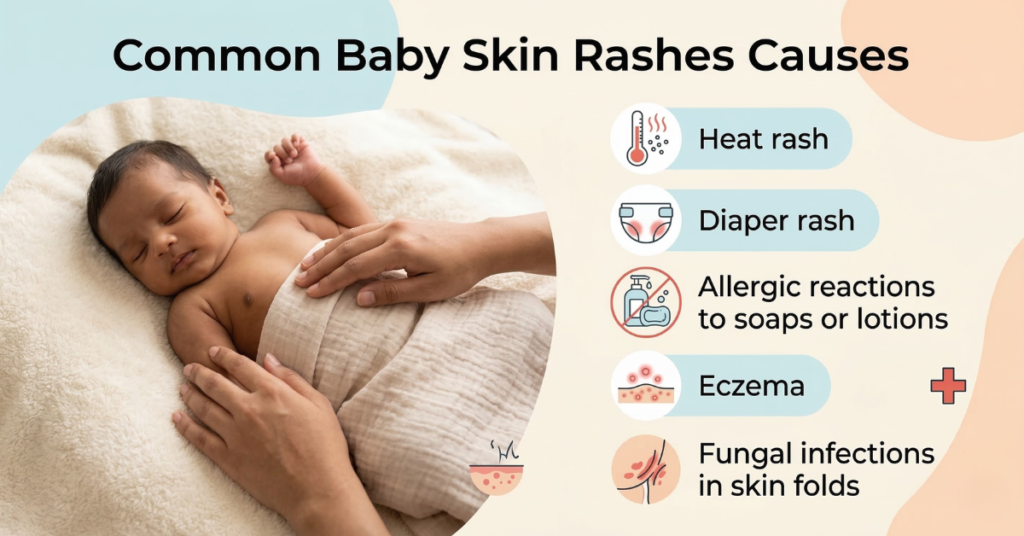
Some of the most common baby skin rashes causes include:
- Heat rash
- Diaper rash
- Allergic reactions to soaps or lotions
- Eczema
- Fungal infections in skin folds
Because babies have delicate skin, even minor irritants can trigger redness or irritation.
Heat and Humidity in Indian Weather
In Indian cities such as Mumbai, humidity and heat often contribute to skin rashes. Sweat glands in infants are not fully developed, which makes them prone to blocked pores and heat rash.
Parents often notice small red bumps on the neck, back, or chest during warmer months.
Keeping babies in breathable cotton clothing and avoiding excessive heat exposure can significantly reduce the risk.
Preventing Baby Skin Rashes
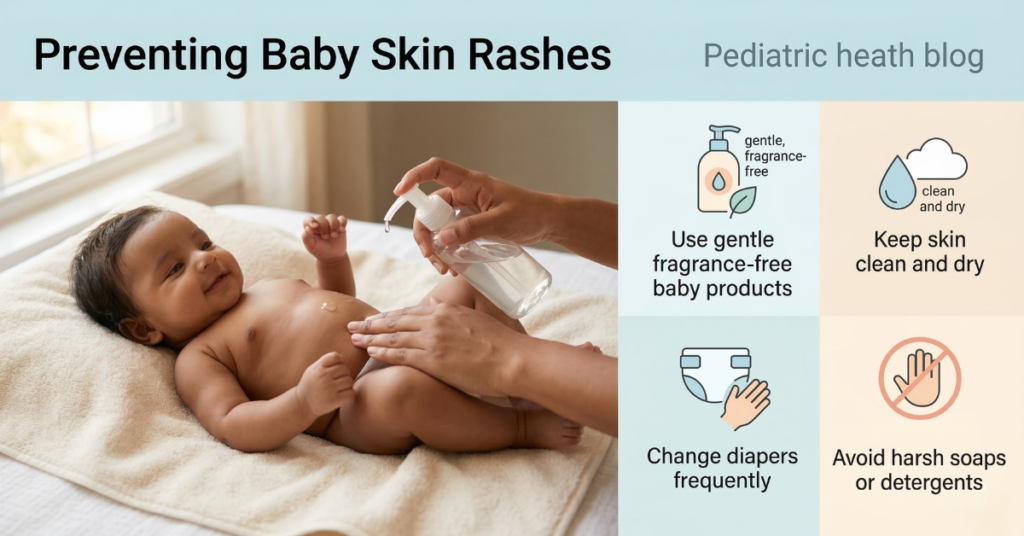
Simple daily care can help maintain healthy skin.
Parents should:
- Use gentle fragrance-free baby products
- Keep skin clean and dry
- Change diapers frequently
- Avoid harsh soaps or detergents
If a rash spreads quickly, becomes painful, or persists for several days, a pediatric evaluation is recommended.
Why Some Babies Start Eating Non Food Items
As babies grow into toddlers, they explore the world through touch and taste. It is normal for infants to place objects in their mouths during early development.
However, when baby eating non food items becomes frequent or repetitive, it may indicate a condition known as pica in children.
What Is Pica in Children
Pica in children refers to repeated consumption of non-food substances for more than a month.
Items commonly involved include chalk, soil or clay, paper, soap, paint chips
This behavior goes beyond normal curiosity.
Parents sometimes first notice the problem when they see unusual objects in the child’s stool or observe the child repeatedly seeking out the same substance.
Why Pica Happens
Several medical and developmental factors may contribute to pica.
One of the most common is iron deficiency in children.
When iron levels drop, some children develop cravings for unusual substances such as soil or chalk. Other factors may include zinc deficiency, developmental disorders, emotional stress, or nutritional imbalance.
A proper medical evaluation helps identify the underlying cause and guide treatment.
Iron Deficiency in Children and Unusual Cravings
Iron plays an essential role in a child’s growth, brain development, and overall energy levels. When iron levels drop, it can affect concentration, immunity, and physical development.
In pediatric practice, iron deficiency in children is sometimes linked to unusual eating behaviors, including babies or toddlers eating non food items such as soil, chalk, or paper. This behavior is often associated with pica and may indicate an underlying nutritional deficiency.
Other signs of iron deficiency may include:
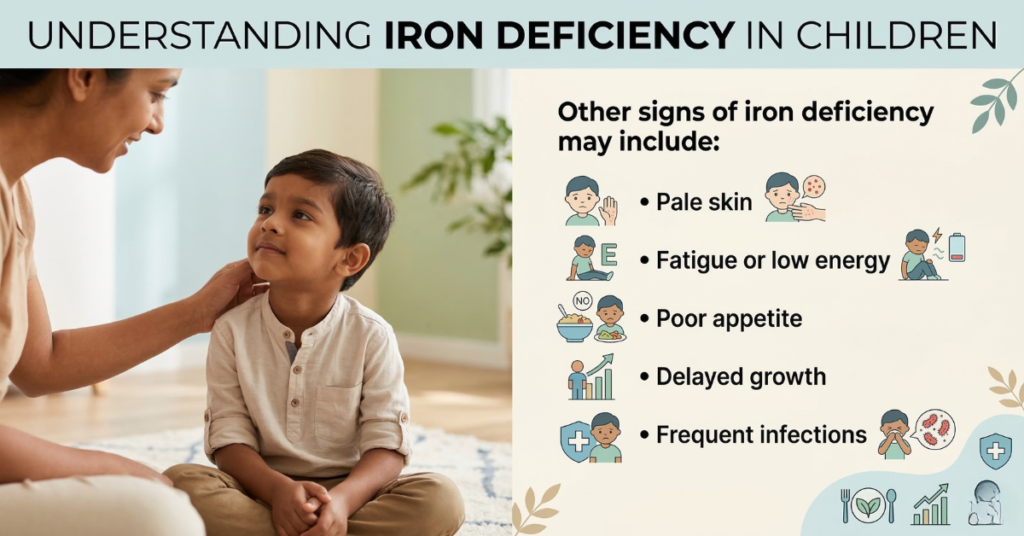
• Pale skin
• Fatigue or low energy
• Poor appetite
• Delayed growth
• Frequent infections
A simple blood test can usually confirm iron deficiency. Once diagnosed, treatment typically involves dietary improvements and iron supplementation under medical supervision, helping restore healthy iron levels and improve symptoms.
Real Situations Seen in Pediatric Clinics
Parents visiting pediatric clinics often share similar concerns.
One family may worry about a newborn with visible baby body hair on the shoulders. Another may bring a baby with persistent heat rash during the summer months.
A third family may notice their toddler repeatedly eating soil while playing outdoors.
In most situations, careful medical evaluation helps distinguish between normal development and conditions that require treatment.
Pediatric guidance not only addresses the immediate concern but also reassures parents and provides practical care strategies.
Supporting Healthy Development in Babies and Toddlers
Parents can support healthy development in babies and toddlers through a few simple daily habits:
• Maintain a balanced diet rich in iron and essential nutrients
• Follow gentle skincare and hygiene routines
• Supervise toddlers during playtime to prevent ingestion of harmful objects
• Schedule regular pediatric checkups to monitor growth and development
These small but consistent practices help support healthy growth and reduce the risk of many common childhood concerns.
Conclusion: Understanding Your Baby’s Development With Confidence
Babies go through many changes during their early months and years. Features such as newborn body hair, occasional skin rashes, or babies putting objects in their mouths can appear worrying at first, but many are normal stages of development.
Understanding why babies have body hair, what causes baby skin rashes, and when baby eating non food items becomes a concern helps parents respond calmly and confidently.
The most important step is observation and early consultation when something feels unusual.
If you have concerns about baby body hair, persistent rashes, or unusual eating habits, professional pediatric guidance can provide reassurance and ensure your child’s healthy development.
For trusted advice and compassionate pediatric care, parents can consult the specialists at Vivasvan Child Care Clinic. Early guidance helps keep your child healthy from the very beginning.
FAQs
Many newborns develop fine hair called lanugo while in the womb. This newborn body hair helps protect the skin and usually disappears within a few weeks or months after birth.
Common baby skin rashes causes include heat rash, diaper irritation, allergic reactions to products, and eczema.
Occasional mouthing of objects is normal for toddlers. However, repeated consumption of non-food items may indicate pica in children and should be evaluated by a pediatrician.
Yes. Iron deficiency in children can sometimes lead to cravings for non-food substances such as soil, chalk, or ice.
Parents should seek medical advice if symptoms such as persistent rashes, excessive body hair, or repeated eating of non-food items continue for several weeks or cause discomfort.

Vivasvan Parekh
As a pediatrician and child specialist based in Mumbai, I bring over 15 years of experience in delivering comprehensive child healthcare. I hold an MD in Pediatrics and practice in Ghatkopar East and Chembur, where I focus on preventive and evidence-based pediatric care. My areas of expertise include vaccinations, newborn care, growth and development monitoring, and the treatment of common and complex childhood illnesses. I am committed to supporting parents with practical, reliable guidance on child health, nutrition, and overall well-being. Through my blog, I share trusted insights on pediatric health, helping parents make informed decisions about their child’s care and development.