
Growth Charts for Twins and Multiple Births: What’s Different

Quick Answer: Twins and multiples are usually tracked on the same WHO growth charts used for all children, but each baby should be plotted on their own curve rather than compared directly to their co-twin. It’s common for twins to start smaller, especially if born early, and many catch up over the first two years. […]
Formula vs. Breast Milk: A Pediatrician’s Guide to Mixed Feeding in India

Quick Answer: Mixed feeding, combining breast milk and formula, is a safe, common choice for Indian mothers when exclusive breastfeeding isn’t possible or practical. Breast milk continues to offer real benefits even in smaller amounts, and formula safely fills the rest of a baby’s nutritional needs when introduced and prepared correctly. The Guilt That Doesn’t […]
Cough and Cold in Children: When Home Care Is Enough, and When It Isn’t
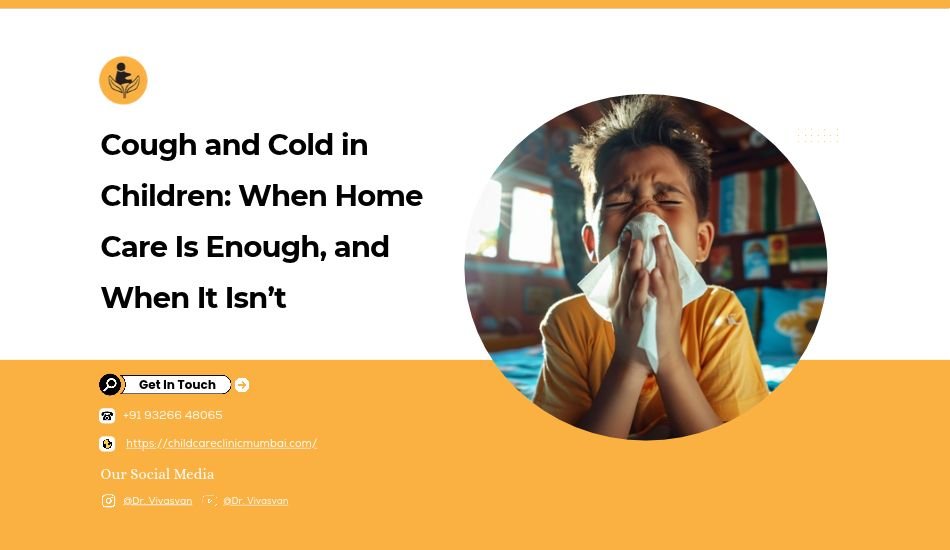
Quick Overview: Most coughs and colds in children are caused by common viral infections that resolve on their own within 7 to 10 days with rest, fluids, and simple home care. A doctor visit is needed if a child has difficulty breathing, a persistent high fever, a cough lasting beyond three weeks, or signs of […]
Autism and Developmental Delay: The Early Signs Parents Often Miss (It’s Not Just About Speech)
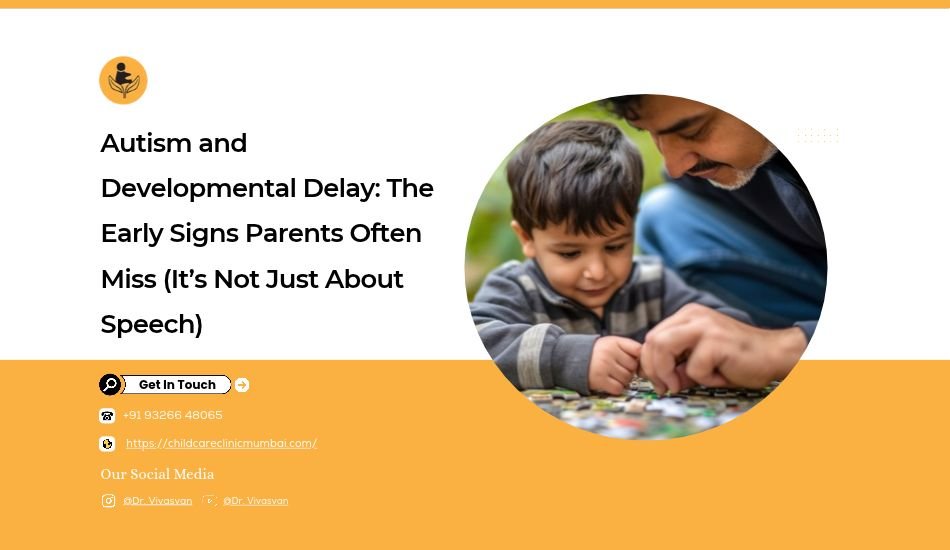
Quick answer: Early signs of autism or developmental delay often show up before speech does in eye contact, response to name, shared enjoyment, play patterns, and reactions to sound or touch. Watching these areas alongside speech gives a fuller picture and helps parents raise concerns early rather than waiting to see how things go. A […]
Preparing an Older Sibling for a New Baby
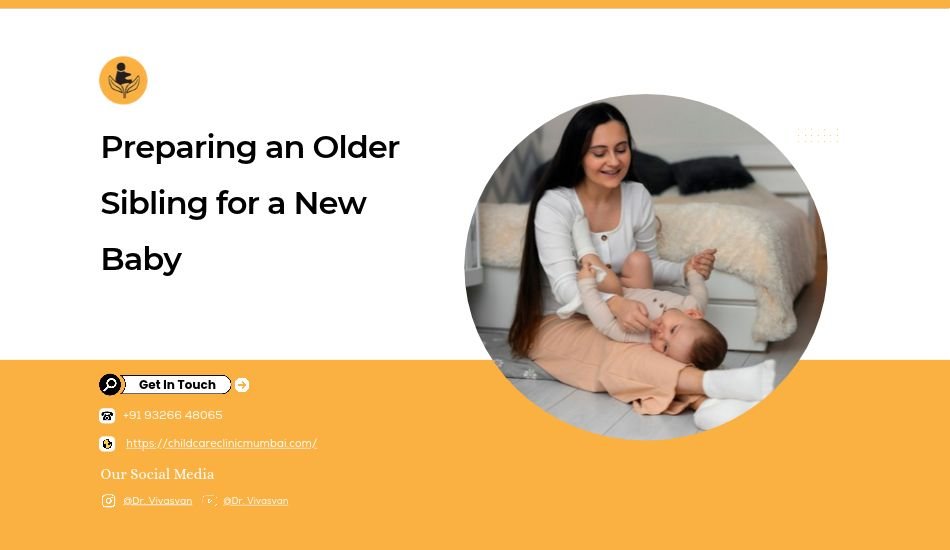
Quick Overview: Preparing an older sibling for a new baby works best through small, age-appropriate steps taken before and after birth involving the child in preparations, keeping their routine as stable as possible, and giving them focused one-on-one attention once the baby arrives. Sibling jealousy is a normal reaction, not a sign of a parenting […]
Picky Eater Toddler? Here’s What’s Actually Normal (and What Isn’t)
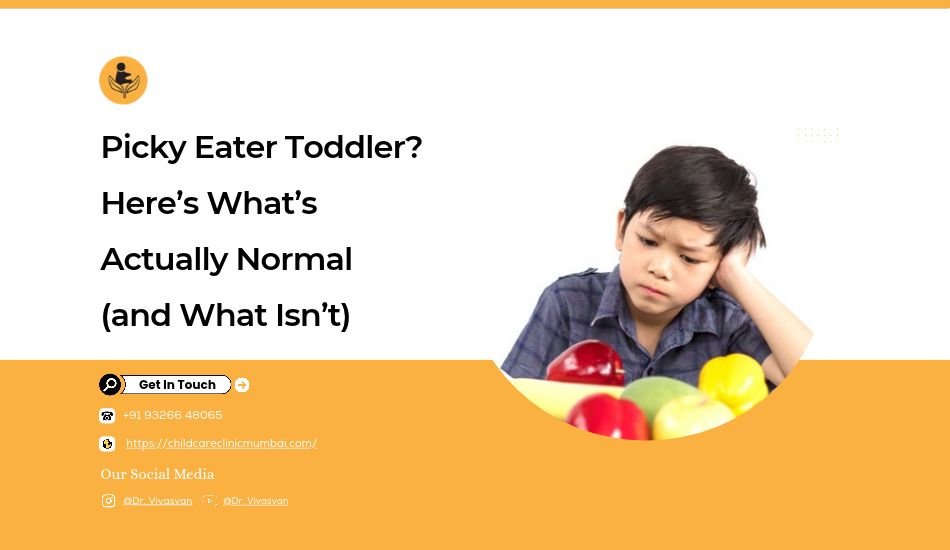
Quick Overview: Picky eating in toddlers between 1 and 5 years is a normal developmental phase driven by slowing growth, a natural wariness of new foods, and a growing need for independence at mealtimes not usually a sign that something is wrong. Most toddlers eat enough across a week even when individual meals look inconsistent, […]
Head Injury in Toddlers: When a Bump on the Head Needs a Doctor
Quick Overview: Most minor head bumps in toddlers from a fall off a low sofa or a stumble while running don’t need a doctor visit and can be safely watched at home. Emergency care is needed if a toddler loses consciousness, vomits repeatedly, seems unusually drowsy, has a seizure, or shows worsening symptoms in the […]
Baby’s First Solid Foods: Common Allergic Reactions & How to Introduce Allergens Safely

At a Glance Most babies tolerate common allergens like peanut, egg, and dairy just fine, and delaying these foods past six months may actually raise allergy risk. Watch for hives, vomiting, or facial swelling within two hours of a new food, introduce one allergen at a time, and always keep early doses small. Introduction A […]
Common Skin Conditions in Babies: Eczema, Cradle Cap, and Heat Rash Explained
Eczema, cradle cap, and heat rash are three of the most common baby skin conditions, and all three are usually harmless and manageable with simple home care. Eczema causes dry, itchy patches, cradle cap creates greasy scalp scales without any real discomfort, and heat rash shows up as tiny bumps from blocked sweat glands. Most […]
Febrile Seizures: What Parents Should Do in the First 5 Minutes
At a Glance A febrile seizure is a brief, fever-triggered convulsion in a child aged 6 months to 5 years, and while it looks terrifying, most episodes last under two minutes and cause no lasting harm, the key is staying calm, keeping the child safe, and timing the seizure from the very first second. Introduction […]